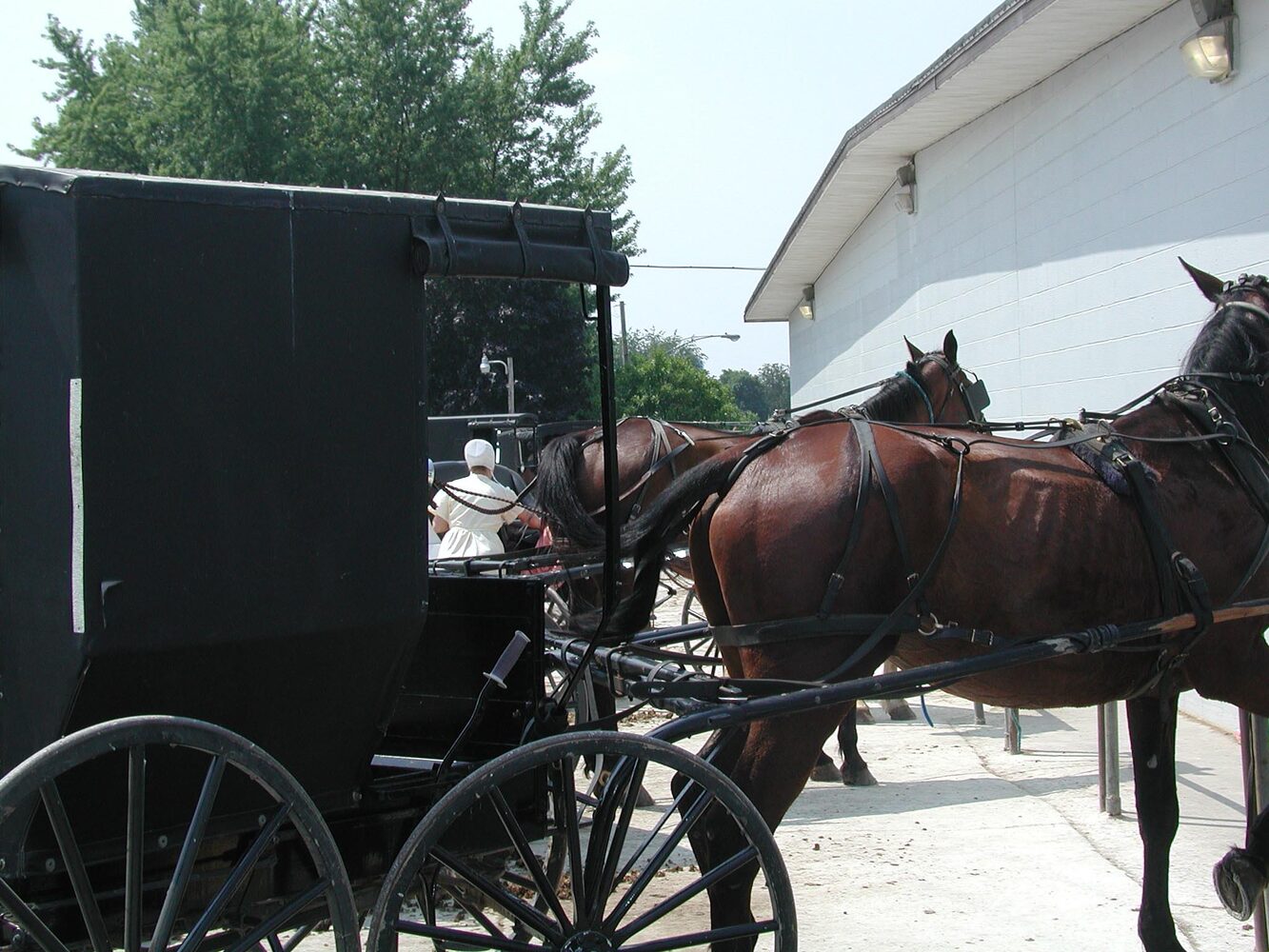
By the Numbers
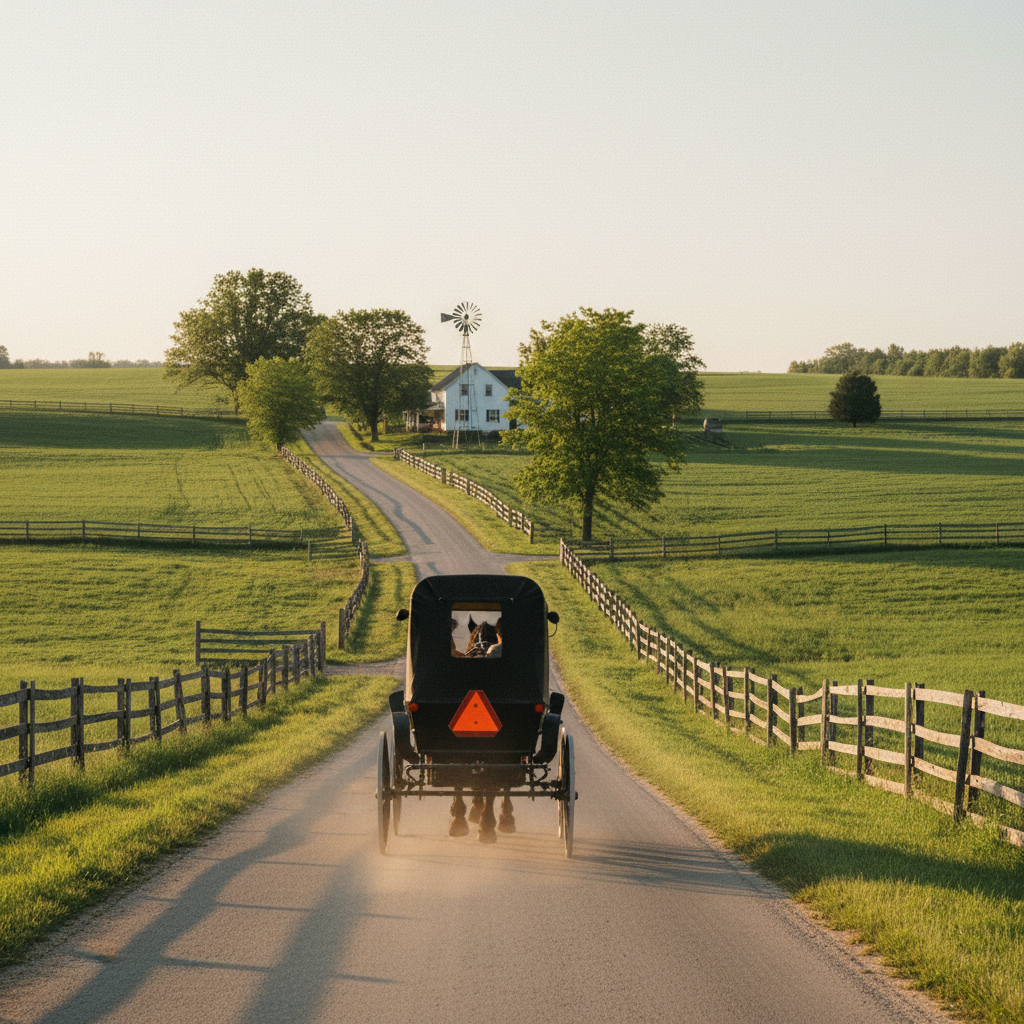 HOLMES COUNTY • ~39,500 MEMBERS
Ohio's Amish Country, centered in Holmes County, is one of the state's most distinctive experiences and a genuinely unique cultural landscape in America. The numbers alone tell a remarkable story:
- Holmes County has the highest concentration of Amish in any U.S. county — roughly half the county's population
- The Holmes County settlement is the second-largest Amish community in the world (behind Lancaster County, PA), with an estimated 39,525 members as of 2023
- Ohio has more than 50 Amish settlements statewide and 418+ congregations — more than any other state
- The settlement includes eleven separate Amish affiliations, making it the most diverse and complex Amish community worldwide
- Four million visitors come to Ohio's Amish Country annually
That last number — eleven affiliations — is significant. Lancaster County, Pennsylvania gets most of the attention, but its Amish community is relatively homogeneous. Holmes County's eleven distinct affiliations, ranging from the most conservative Old Order groups to more progressive New Order communities, make it the most theologically and culturally diverse Amish settlement on Earth. You can drive five miles and encounter communities with meaningfully different approaches to technology, dress, education, and engagement with the outside world.
How It Began
1808 • Jonas Stutzman • A Conestoga Wagon from Pennsylvania
The founding of the Holmes County settlement dates to 1808-1809, when Jonas Stutzman and his family arrived from Somerset County, Pennsylvania in a Conestoga wagon. They came looking for affordable farmland and found rolling hills, fertile soil, and isolation — exactly what a community seeking to live apart from the modern world needed.
By 1835, the settlement had grown to 250 families. By the turn of the 20th century, it was one of the largest Amish communities in North America. Unlike many Amish settlements that have struggled with land pressure and encroachment, Holmes County's geography — hilly, not ideal for industrial agriculture, relatively remote — has allowed the community to grow steadily for over two centuries.
The Amish arrived before Ohio was even fully settled. They have been here longer than most of the state's institutions. When you drive through Holmes County, you're not visiting a cultural exhibit — you're passing through a community that predates the railroad, the telegraph, and the automobile, and has chosen, deliberately and continuously, to keep living the way it lives.
What You'll Find
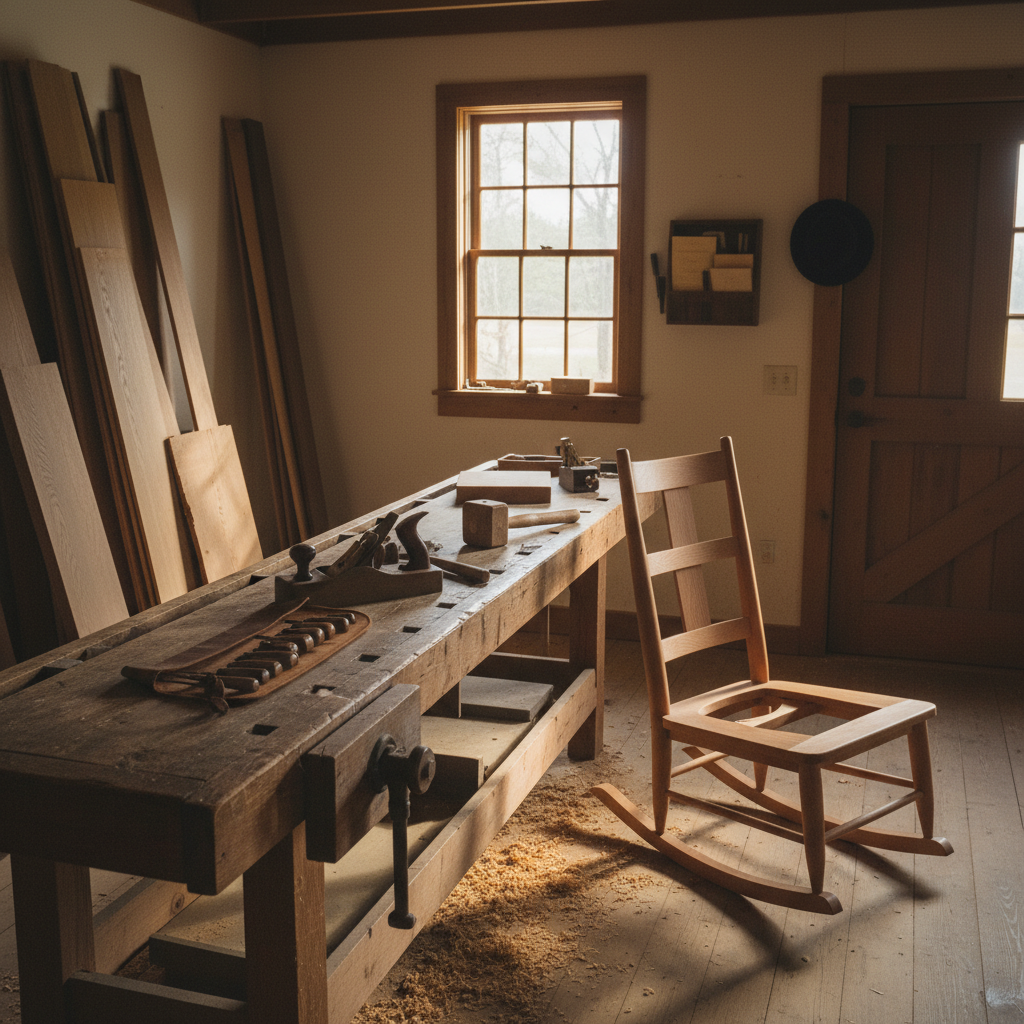 80+ HARDWOOD SHOPS
Furniture
80+ hardwood furniture stores operate in Ohio's Amish Country, featuring handcrafted pieces known for exceptional quality. Amish furniture is built from solid hardwoods — oak, cherry, maple, walnut — using traditional joinery techniques. No particle board. No veneer. No shortcuts. A table built in an Amish workshop in Millersburg will outlast you and probably your grandchildren. The furniture industry is one of the community's primary economic engines, and the quality-to-price ratio draws buyers from across the country.
Food
Amish home-cooked meals are available at buffet-style restaurants throughout the region: Mrs. Yoder's Kitchen, Der Dutchman, and Amish Door are the most popular. The food is hearty, plain, and unapologetically abundant — fried chicken, roast beef, mashed potatoes, homemade noodles, fresh-baked bread, and pies that will rearrange your understanding of what pie can be.
Bulk food stores sell spices, baking supplies, and pantry staples at prices that make grocery stores look like robbery. Local butcher shops offer cuts and preparations you won't find in a supermarket. And then there's the Amish noodles over mashed potatoes — hand-rolled thick noodles in golden broth poured over a mound of mashed potatoes. Carbs on carbs. No apology needed.
Cheese
Guggisberg's "Baby Swiss" cheese is world-famous and originated right here. Multiple cheese factories still use locally produced milk and family recipes going back generations. The cheese trail through Amish Country is a legitimate road trip activity, and you will leave with more cheese than you planned to buy. This is guaranteed.
Quilts and Crafts
Handmade quilts are both functional items and works of art. The geometric patterns — Log Cabin, Nine Patch, Double Wedding Ring — are executed with precision that comes from a lifetime of practice passed down through generations. Woodworking, basket weaving, and other artisanal crafts fill shops throughout the region.
Key Towns
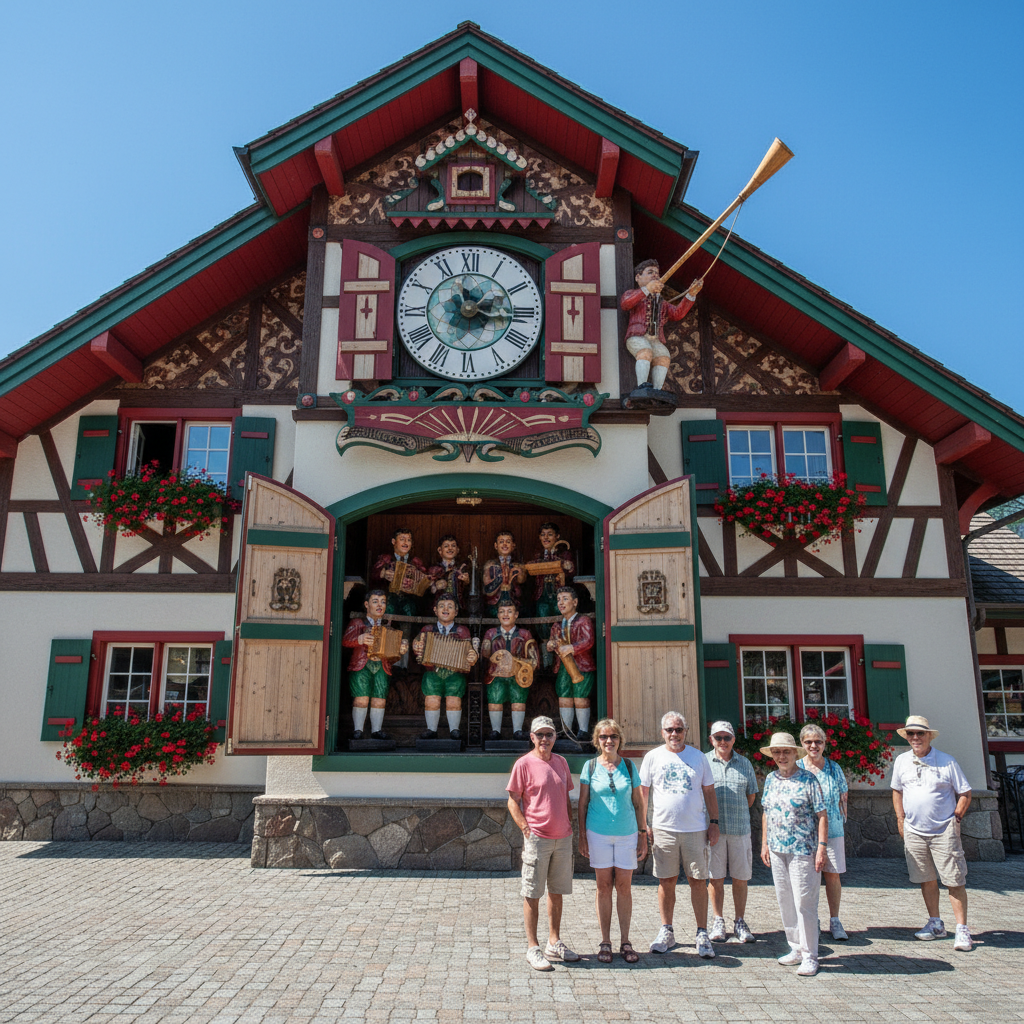 SUGARCREEK • LITTLE SWITZERLAND
Millersburg
County seat with a Victorian courthouse square. Home to the Holmes County Historical Society and the hub of local government. The town where Amish and English (non-Amish) cultures intersect most visibly.
Berlin
The commercial heart of Amish Country tourism. Crafts, food, and shopping concentrated along a walkable main street. If you only visit one town, this is probably the one.
Walnut Creek
Home to the German Culture Museum, the Carlisle Inn, and several cheese markets. Quieter than Berlin, equally rewarding.
Sugarcreek
Known for its Swiss heritage and the World's Largest Cuckoo Clock. The Swiss-German influence is visible in the architecture and the festivals.
Charm
Home to Guggisberg Swiss Cheese and Doughty Glen Winery. The name is accurate — it is, in fact, charming.
The Amish Country Byway
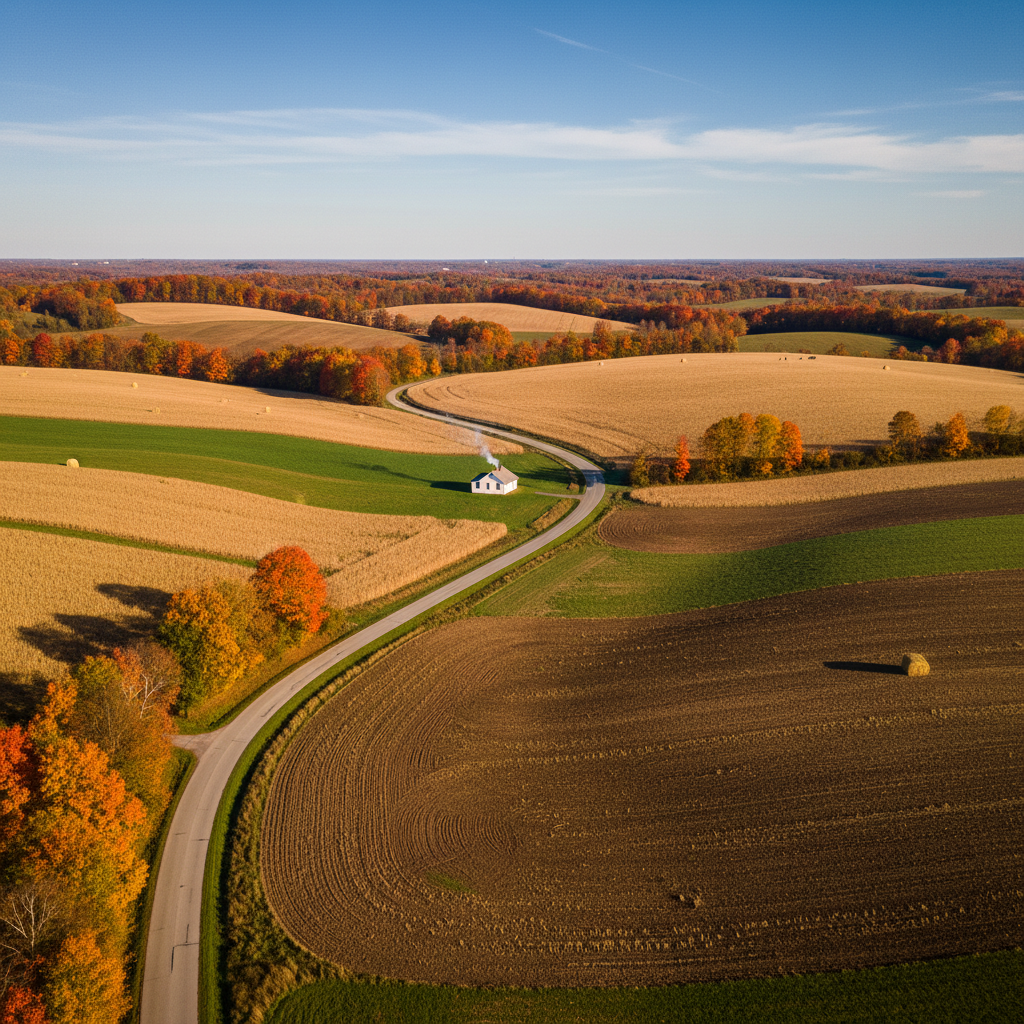 PEAK FALL • SLOW DOWN
The Amish Country Byway winds through rolling hills, past horse-drawn buggies, farm stands, and quilt-pattern fields. The pace of driving adjusts to the pace of the community — you will share the road with buggies, and you will slow down, and after a few miles you will realize that slowing down was the point.
Activities beyond the shops and restaurants include guided tours of Amish homesteads and one-room schoolhouses (Yoder's Amish Home is popular), rails-to-trails biking through the countryside, horseback riding at Amish Country Riding Stables, and scenic back-road drives that reveal a landscape virtually unchanged for two centuries.
Fall is the peak season. The hills blaze with color, the farms are harvesting, and festivals fill the calendar — pumpkin chucking, apple picking, hayrides, and corn mazes at Hershberger's Farm and The Farm at Walnut Creek. But spring and summer have their own rhythms, and winter brings a quietness that some visitors prefer to the crowds.
A Note on Visiting
The Amish community is friendly and approachable, welcoming visitors from all 50 states, all Canadian provinces, and over 100 countries annually. But respectful engagement matters. Photography policies vary by family and community — many Amish prefer not to be photographed, and asking first is always the right move. The community's faith-based simplicity is not a spectacle but a lived way of life, chosen deliberately and maintained with conviction across generations.
The best visits to Amish Country happen when you approach it on its own terms: slow down, eat the food, admire the craftsmanship, drive the back roads, and let the pace of the place work on you. Ohio's Amish Country is not a theme park. It's a community that happens to welcome guests. The difference matters.
"When you drive through Holmes County, you're not visiting a cultural exhibit — you're passing through a community that predates the railroad, the telegraph, and the automobile, and has chosen, deliberately and continuously, to keep living the way it lives."