Balloonfest '86: The Day Cleveland's Sky Fell
Public Square, Cleveland • September 27, 1986
 CASE FILE • SEPT 27, 1986
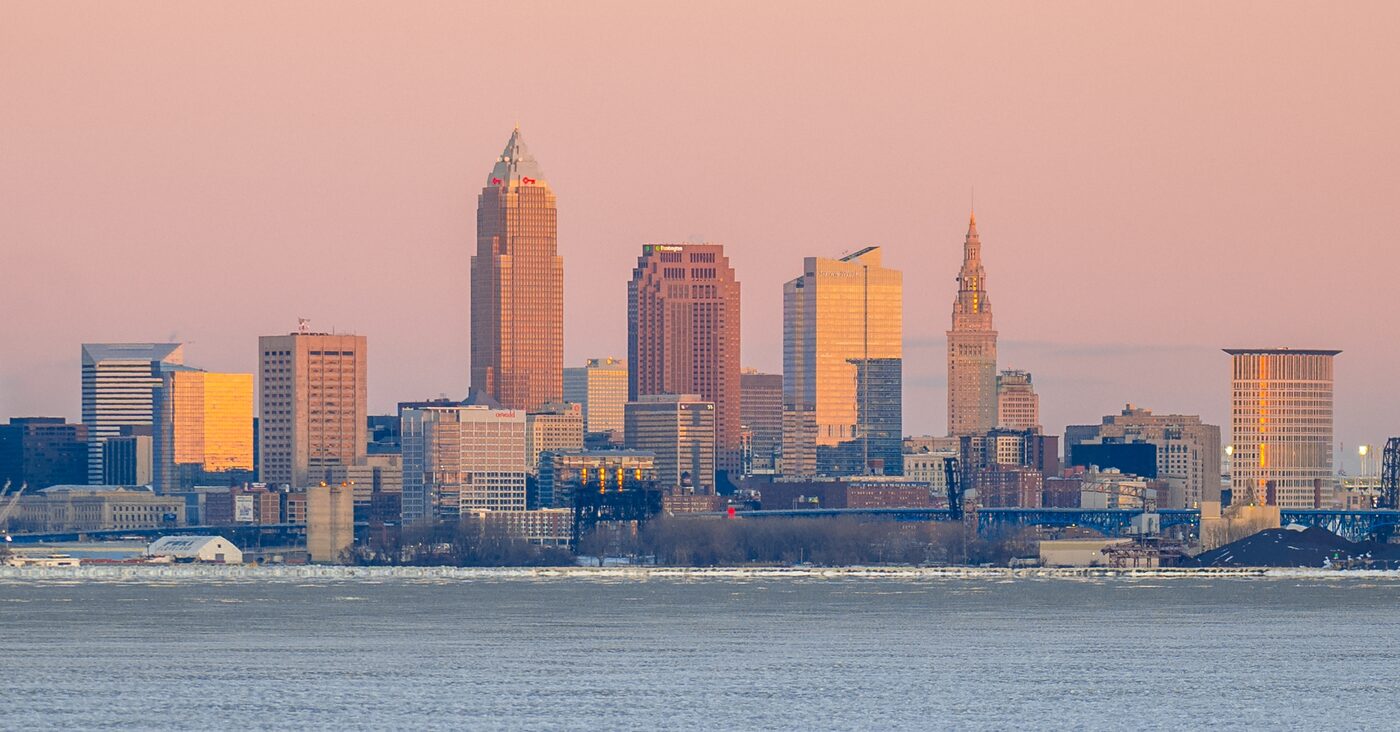
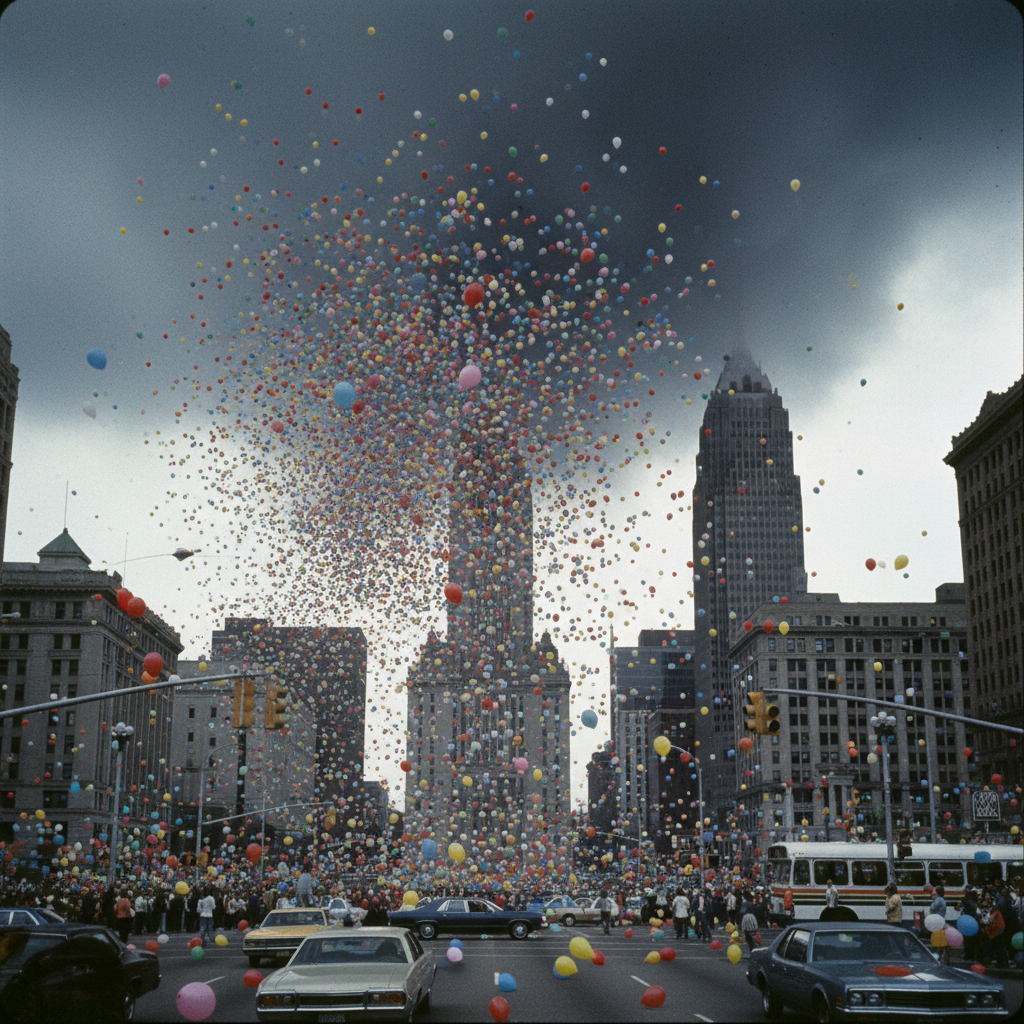
It was supposed to be joyful. The United Way of Cleveland organized a world record attempt: release more helium balloons at once than anyone ever had. They erected a massive net over Public Square, inflated nearly 1.5 million balloons, and on a cool September afternoon, they let them go.
For about ninety seconds, it was one of the most spectacular sights Cleveland had ever seen. A churning, multicolored cloud rising from the heart of downtown, so dense it temporarily darkened the sky. Photographers captured the moment. People cheered. Then the weather changed.
An approaching cold front pushed the mass of balloons back down before they could disperse. They descended while still inflated — hundreds of thousands of latex spheres drifting onto the city like slow-motion hail. They clogged roadways. They shut down runways at Burke Lakefront Airport. They startled horses at a farm in Geauga County, causing injuries. They settled on Lake Erie.
And that's where the story turns tragic.
At the time of the release, the Coast Guard was conducting a search-and-rescue operation on Lake Erie for two missing fishermen: Raymond Broderick and Bernard Sulzer. Their boat had been found capsized. Helicopter pilots searching the water found themselves flying through a sea of balloons — one pilot described it as "flying through an asteroid field". The balloons made it impossible to spot anything in the water. The search was suspended.
Both bodies later washed ashore. The families sued. Lawsuits totaling millions of dollars followed. The Broderick family's wrongful death suit was settled out of court. Guinness no longer tracks balloon release records. The event became a case study in unintended consequences.
Footage of Balloonfest '86 has circulated widely online and remains one of the most-viewed Cleveland history clips. The video shows the exact moment when celebration tips into catastrophe — the eerie beauty of the cloud, the dawning realization that something has gone wrong, and the balloons settling onto streets, water, and the wrong side of history.
The Circleville Letters
Circleville, Pickaway County • Late 1970s – 1990s
 UNSOLVED • CIRCLEVILLE
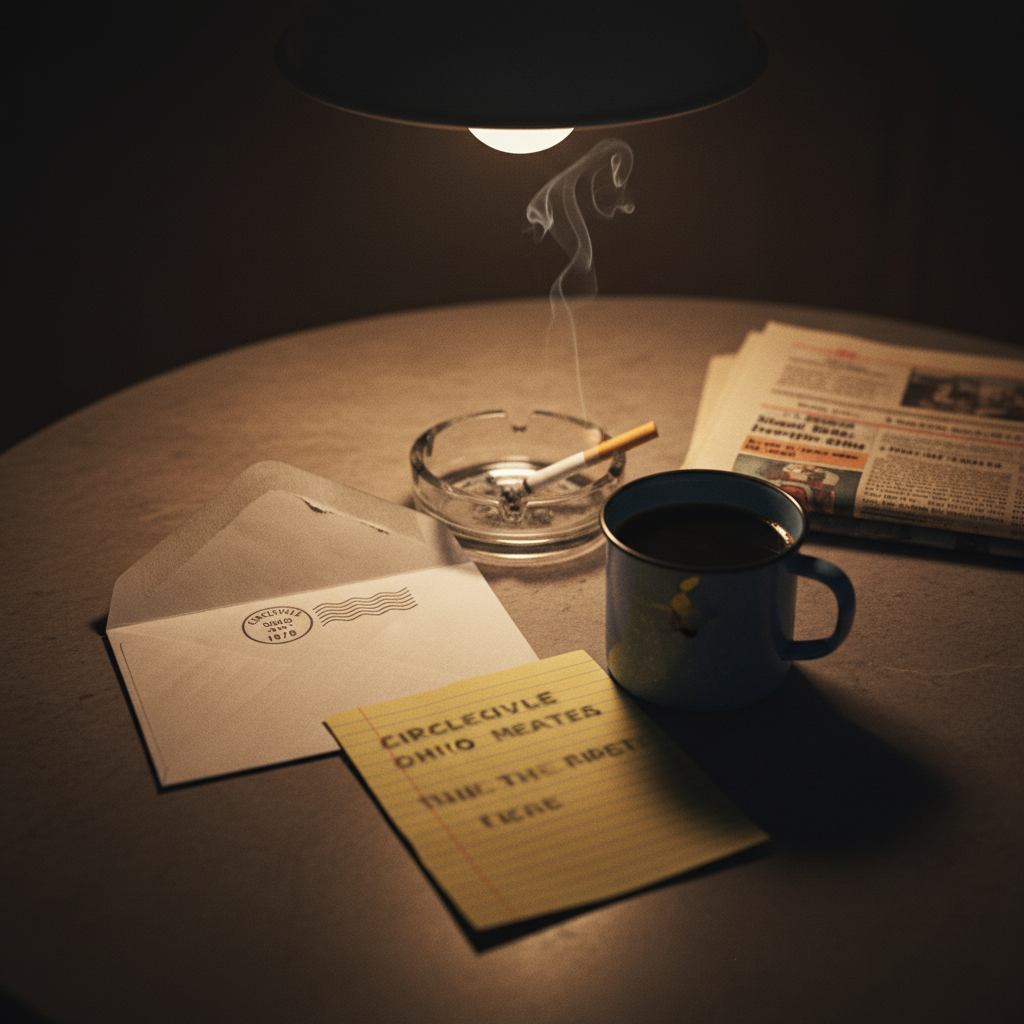
Beginning in the late 1970s, residents of Circleville, Ohio — a small city of about 13,000 in Pickaway County — started receiving anonymous letters. They arrived with no return address, written in distinctive block print, and they were vicious.
The letters exposed affairs. They revealed secrets. They made accusations — some true, some false, all designed to destroy. They were sent to thousands of residents: teachers, politicians, business owners, ordinary families. Nobody was safe. The letters targeted marriages, reputations, and careers with surgical precision.
The most explosive letters were sent to Mary Gillispie, a school bus driver, alleging an affair with the school superintendent. Mary's husband, Ron Gillispie, received letters threatening him if he didn't stop his wife's alleged relationship. On August 19, 1977, Ron was found dead in his pickup truck on the side of a rural road. His death was ruled an accident — he'd been drinking and apparently lost control — but the circumstances were suspicious, and the letters had been escalating in their threats.
Suspicion eventually fell on Paul Freshour, Mary Gillispie's former brother-in-law. In 1983, a booby trap — a box with a gun rigged to fire when opened — was found near a sign threatening Mary. Freshour was convicted based largely on handwriting evidence and sentenced to prison.
And then, from prison, the letters kept coming.
The Circleville Letters continued to arrive even after Freshour was behind bars. The handwriting appeared identical. The intimate knowledge of the community persisted. Freshour denied writing any of the letters, ever. He died in 2012, still protesting his innocence. The case remains one of America's great unsolved mysteries. To this day, nobody knows for certain who wrote the Circleville Letters, or whether there was more than one writer.
Helltown: The Real Story Behind the Legend
Boston Township, Summit County
 BOSTON MILLS • CONDEMNED
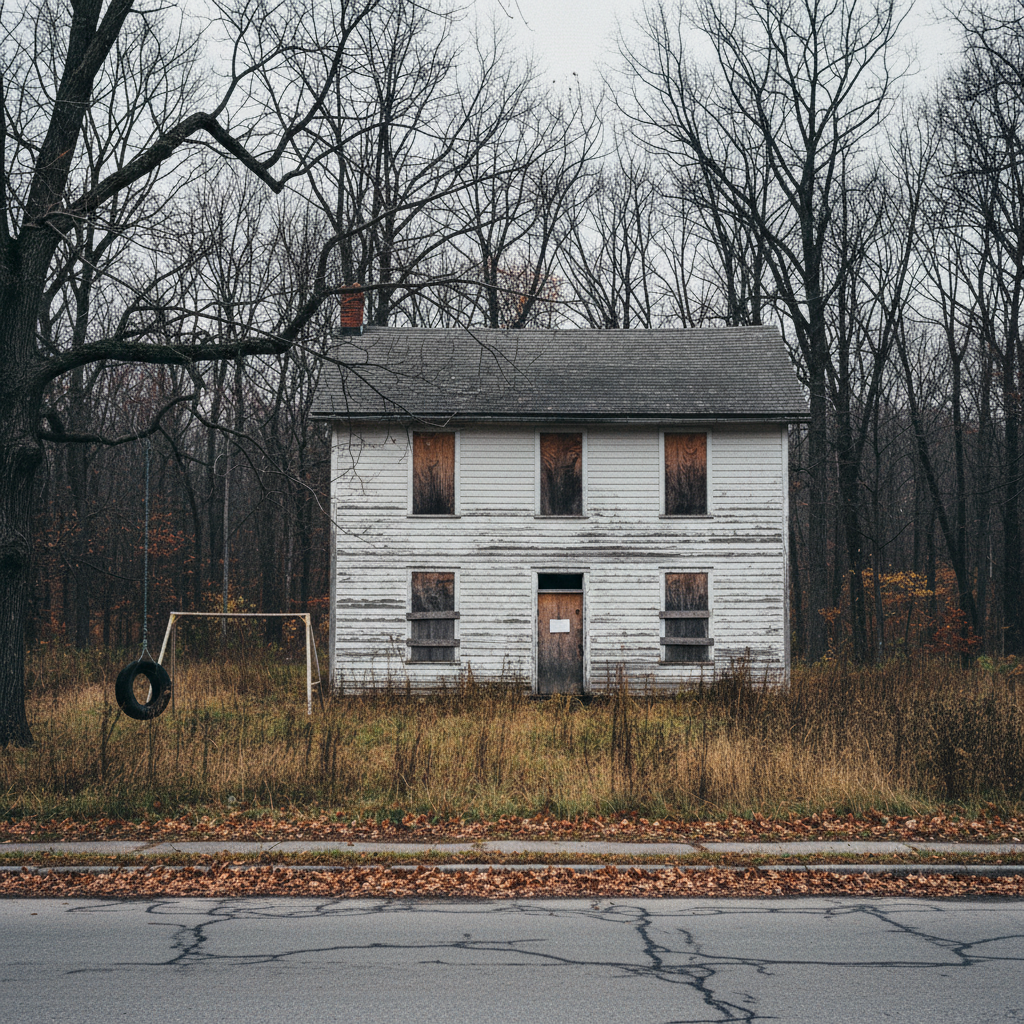
The settlement called Boston Mills was founded in 1806 and was Summit County's oldest village. For 168 years, it was a quiet, unremarkable community. Then, in 1974, President Ford signed legislation granting the National Park Service eminent domain to create what would become Cuyahoga Valley National Park.
The government bought out entire neighborhoods — a pattern that would repeat decades later in Cheshire, where a power company bought an entire town. Some sales were fair; others were below market value. Residents who had lived in their homes for generations were forced to leave. Houses were left vacant, their windows dark, their lawns unmowed. "Government Property" signs appeared on doors. Armed military patrols monitored the cleared areas. The Park Service, short on demolition funds, left many structures standing for years.
Fire departments used the empty houses for practice burns. At night, residents of neighboring communities could see the orange glow of structures being deliberately set ablaze. Smoke drifted through forests that had gone eerily quiet. Graffiti appeared on buildings awaiting demolition: "Now we know how the Indians felt."
From this atmosphere of abandonment and displacement, the legends metastasized:
- A standard Gothic Revival Presbyterian church became the "Satanic church" — its pointed architecture misidentified as occult by teenagers who'd never seen a 19th-century church building.
- An old school bus parked in a clearing became "a serial killer's lair" — it had actually been lived in by a family during home renovations.
- The Krejci Dump, a genuine toxic waste site within the park boundaries, spawned tales of mutant creatures roaming the woods.
- The winding, poorly lit roads became "roads of no return" in teenage lore.
The truth is that Helltown was a real place, and real harm was done — not by Satanists or serial killers, but by a government land acquisition program that displaced hundreds of families with varying degrees of fairness. Most structures were demolished by 2016. The name "Helltown" was never used by residents; it was applied afterward, by outsiders, to a place that was already a ghost.
Gore Orphanage: Three Tragedies Woven Into One Legend
Gore Orphanage Road, near Vermilion
 SWIFT MANSION RUINS
The legend of Gore Orphanage is Ohio's most powerful example of how real history and folk memory can merge into something neither entirely true nor entirely false. The full story involves three separate historical threads that braided together over a century.
Thread One: The Real Orphanage. The Light of Hope Orphanage was established in 1902 by Reverend Johann Sprunger. Sprunger had previously run an orphanage in Indiana that burned in 1899, killing three girls. He relocated to Ohio and built a new facility. The Light of Hope housed approximately 120 children who were horrifically abused — beaten, barely fed, rented out as labor to local farms. A 1909 investigation confirmed the conditions, but Ohio had no laws governing orphanages at the time, so no prosecution occurred. The orphanage eventually closed, but the suffering was real.
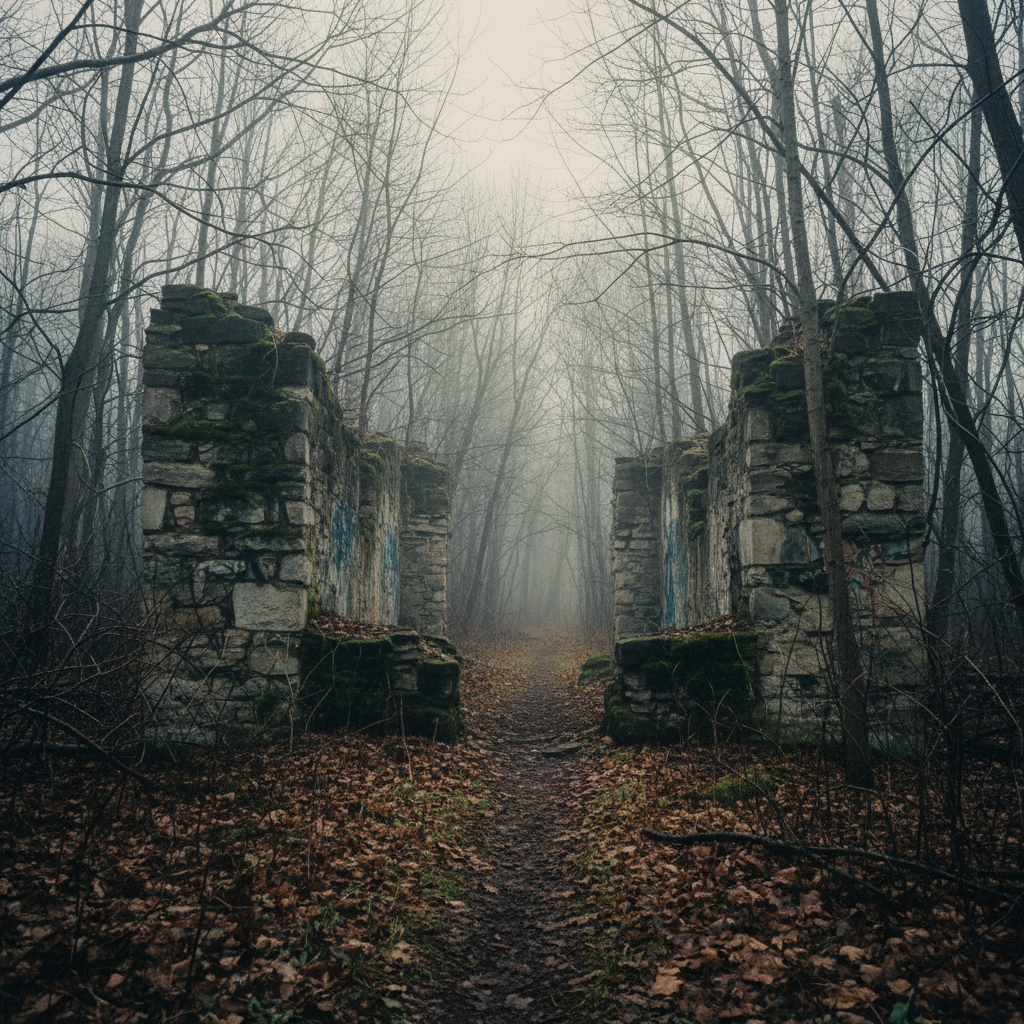
Thread Two: The Swift Mansion. The ruins that visitors actually find on Gore Orphanage Road don't belong to the orphanage at all. They're the remains of the Swift Mansion, built in the 1840s and later occupied by the Wilber family. The Wilbers were known for conducting séances and lost four children to diphtheria in the same house. Vandals burned the mansion in 1923. Its stone foundation is what urban explorers photograph today.
Thread Three: The Collinwood Fire. On March 4, 1908, a fire at the Lakeview School in Collinwood (East Cleveland) killed 172 children, two teachers, and one rescuer. It was one of the deadliest school disasters in American history. Some researchers believe the horror of the Collinwood fire — which shattered the Cleveland area — migrated in collective memory to the already-legendary Gore Orphanage Road, attaching itself to a site that already felt haunted.
The name "Gore" is simply a surveyor's term for a triangular piece of land created when property boundaries don't meet cleanly. There is no actual gore.
And the "crying children" heard at night by visitors? Investigators have attributed the sound to the high-pitched hum of Ohio Turnpike truck traffic approximately 1.25 miles away, carried and distorted by wind until it's unrecognizable as mechanical. The human ear, expecting to hear crying, hears crying.
The Mine Disasters
 MILLFIELD • NOV 5, 1930
Ohio's coal mining history contains some of the state's most painful chapters, and two disasters stand out for the cruel ironies embedded in them.
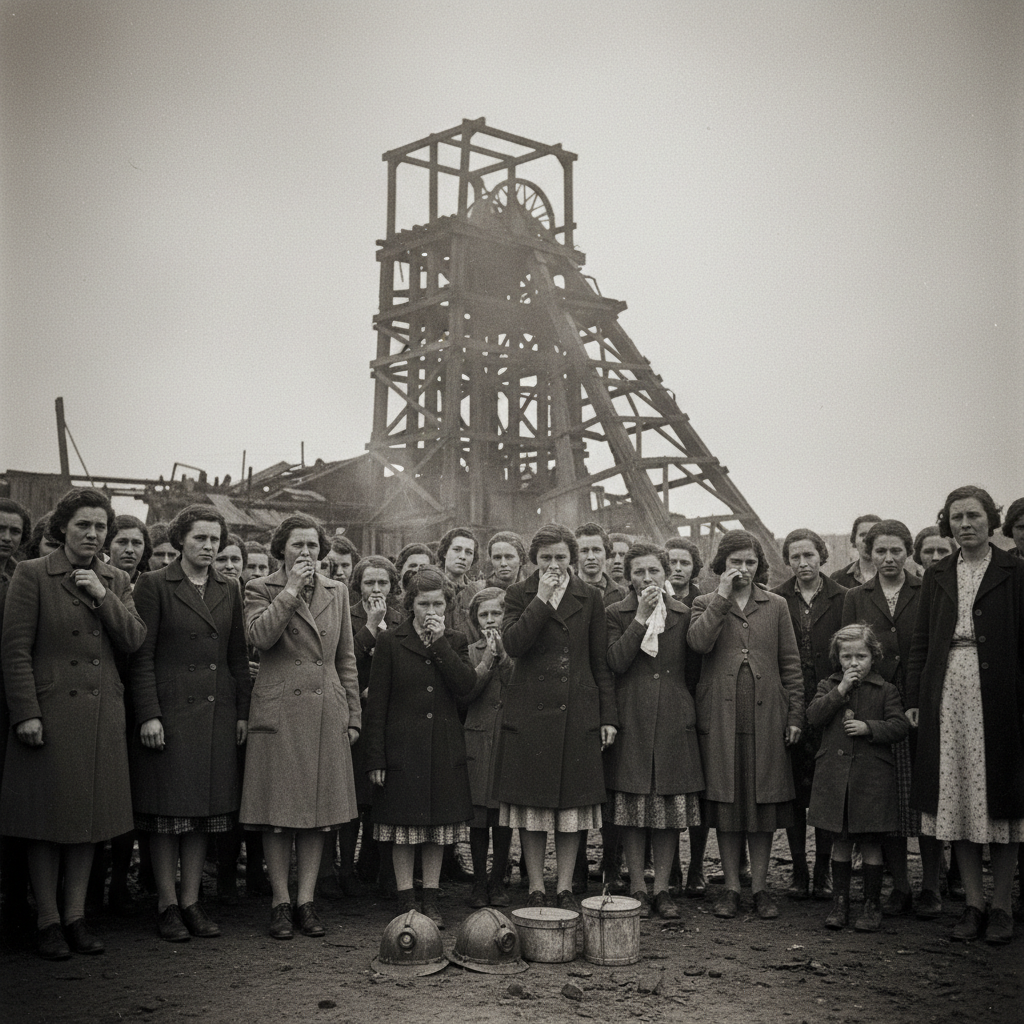
On November 5, 1930, the Millfield Mine Disaster killed 82 men at Sunday Creek Coal Mine #6 in Athens County. It remains Ohio's worst mining disaster. In a detail almost too cruel to be true, the company's top executives — including President W.E. Tytus — were in the mine at the time, giving a tour of newly installed safety equipment when the explosion occurred. The executives survived. The workers didn't.
The disaster created 59 widows and 154 orphans in a community of 1,500. A pool hall, a storage room, and a store were converted into temporary morgues. The community never fully recovered.
A decade later, on March 16, 1940, an explosion at the Willow Grove Mine in Neffs killed 72 men. Among the victims was William Shetek, a former Austrian Army lieutenant who had, during World War I, court-martialed Adolf Hitler when Hitler was a corporal. After WWI, Shetek immigrated to America, changed his name, and became a mine worker in eastern Ohio. His wife gave birth to their sixth child one week after the disaster.
The Ceely Rose Poisonings
Pleasant Valley, 1896
 PLEASANT VALLEY • 1896
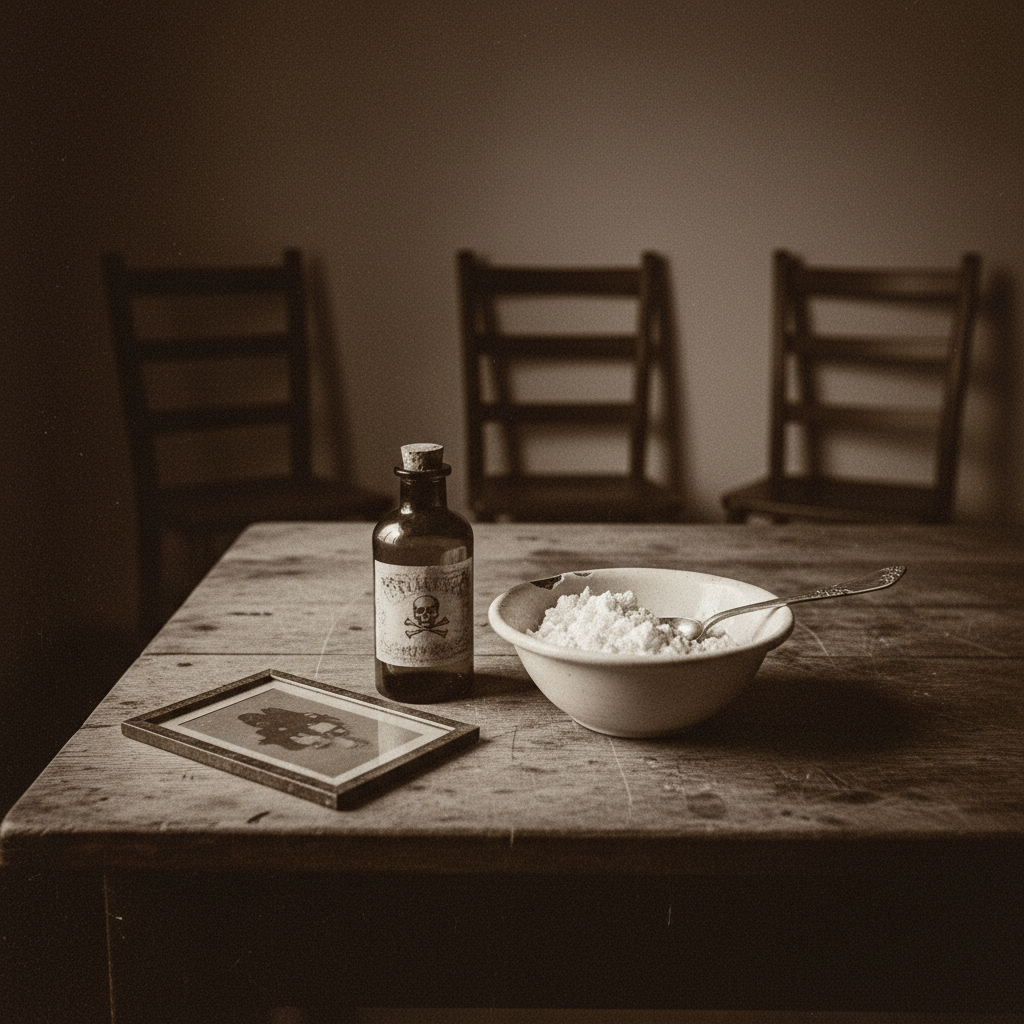
In 1896, young Ceely Rose of Pleasant Valley developed an obsessive attachment to a neighbor named Guy Berry. Her family told her to forget him. She did not forget. Instead, she poisoned her entire family with Rough-on-Rats, a commercial rat poison containing arsenic.
Her father, mother, and brother all died within days. Ceely was found to be mentally incompetent and was institutionalized rather than prosecuted. She spent the rest of her life in the Lima State Hospital for the Criminally Insane, where she died in 1934.
In a final twist: the property where the Rose family died was later purchased by Louis Bromfield, the Pulitzer Prize-winning author, who transformed it into his famous Malabar Farm — the estate where Humphrey Bogart and Lauren Bacall were married in 1945.
Ohio's Last Public Whipping
Millersburg, Holmes County • July 5, 1932
 MILLERSBURG • JULY 5, 1932
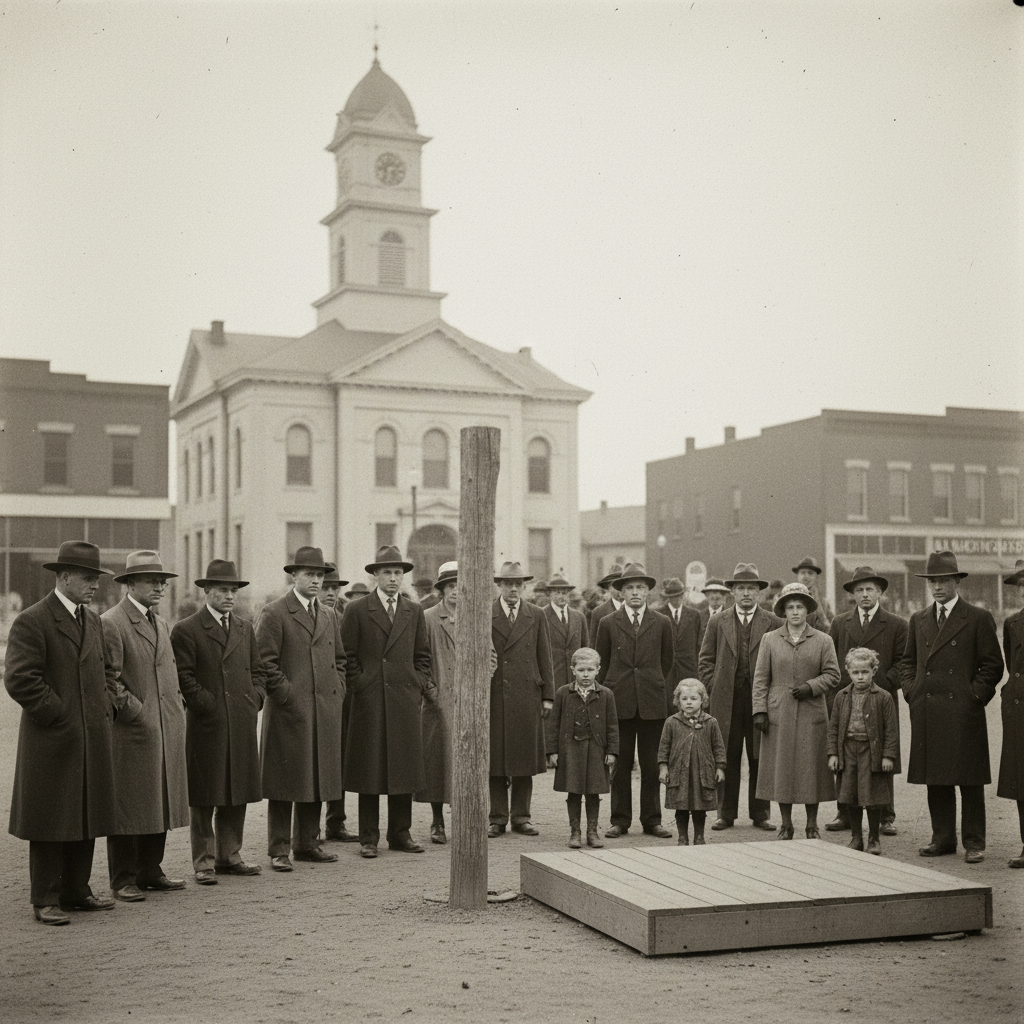
Brothers Jesse and William Wynn were convicted of stealing a refrigerator, which they sold for $3. Judge Robert B. Putnam, responding to a Depression-era crime wave in Holmes County, ordered an unusual sentence: 20 lashes each, to be administered publicly.
On July 5, 1932, in the Millersburg town square, the sentence was carried out. Jesse received his lashes stoically and was seen smiling afterward. The incident caused a national firestorm of publicity and was widely condemned as a reversion to frontier justice. It remains the last documented public whipping in the state of Ohio.