Ohio State Buckeyes: The Crown Jewel
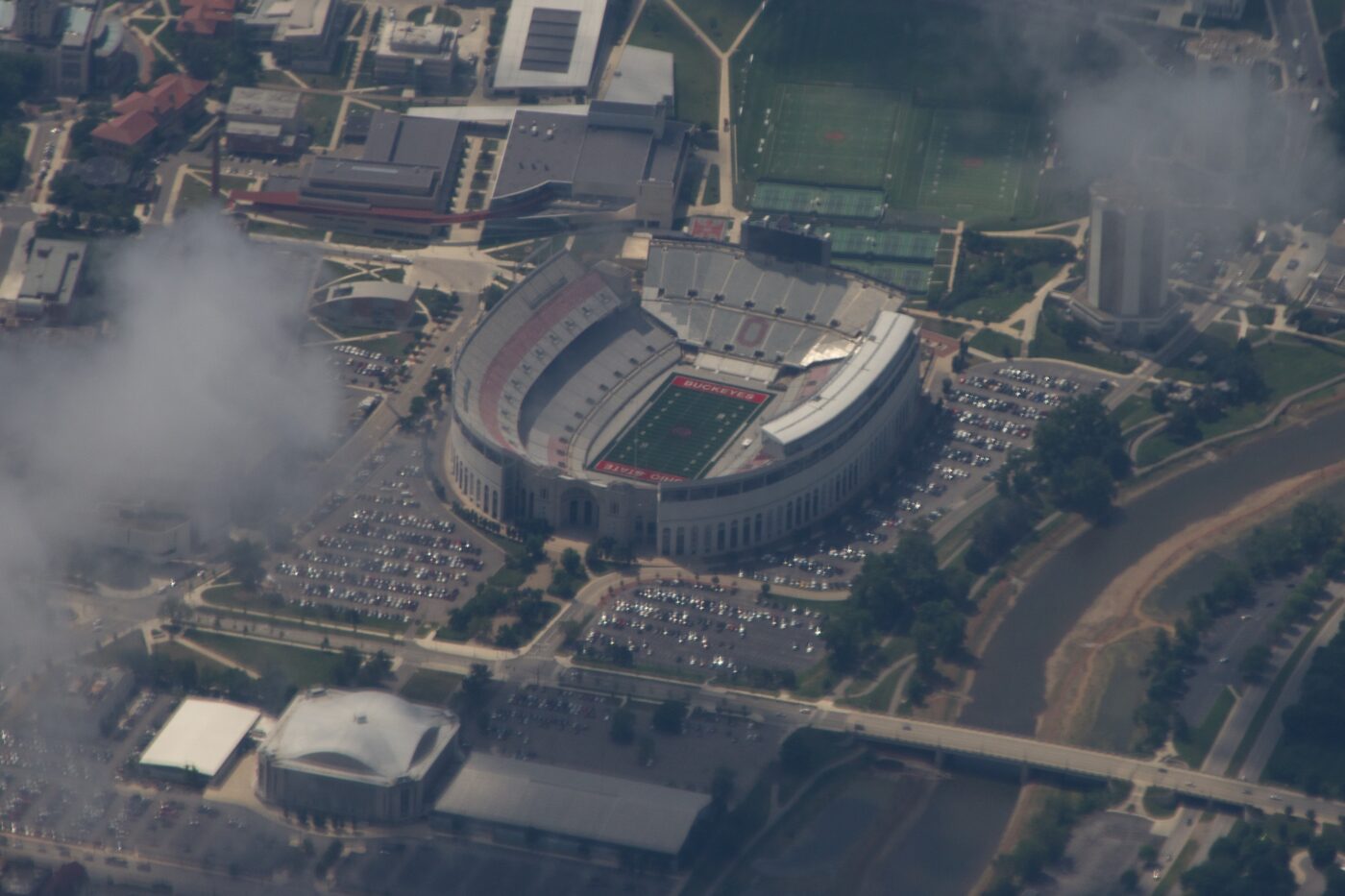
Columbus • Ohio Stadium ("The Horseshoe") • 100,000+ capacity
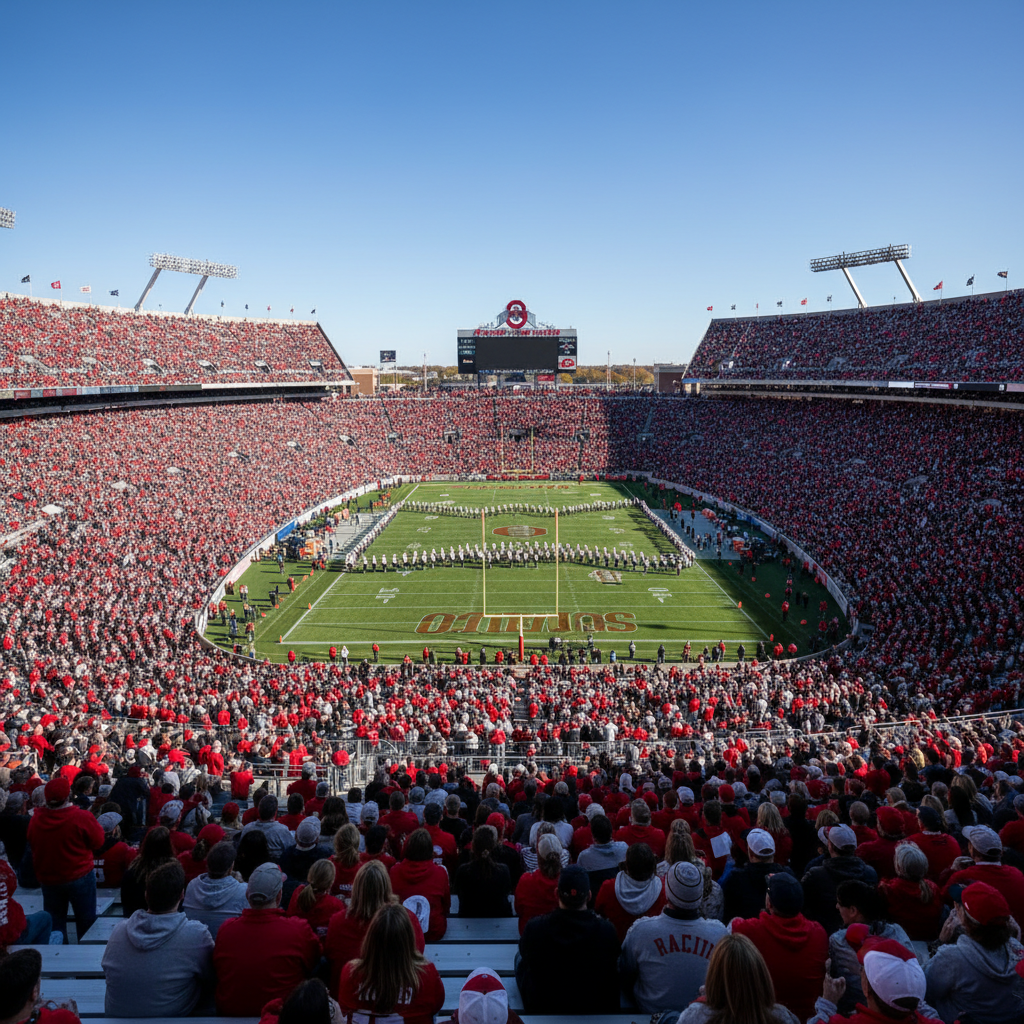 SCRIPT OHIO • THE HORSESHOE
Ohio State football is not a sport in Ohio. It is a statewide obsession that transcends geography, class, politics, and common sense. On autumn Saturdays, the state essentially shuts down. The Horseshoe fills with over 100,000 fans. The city of Columbus — population 900,000 — effectively doubles in size.
The program's credentials are staggering: first among all-time winningest college football programs, nine national championships (most recent: 2024), seven Heisman Trophy winners, and a tradition of excellence that has produced more NFL draft picks than almost any program in history.
But the numbers don't capture what Ohio State football means. The "O-H! I-O!" call-and-response isn't reserved for game day. It happens in airports, grocery stores, weddings, and foreign countries. If you yell "O-H!" in any public space in Ohio, someone will yell "I-O!" back. This is not optional. It is a reflex.
The Ohio State-Michigan rivalry is one of the most intense in all of sports. Families have been divided by it. Marriages have been tested. The week before The Game, Ohio State students and alumni refer to Michigan only as "That Team Up North." Some refuse to say the letter M. Woody Hayes, the legendary Ohio State coach, once explained why he went for a two-point conversion instead of a routine extra point when already ahead by a wide margin: "Because I couldn't go for three."
The NFL Was Born in Ohio
Canton, Ohio • 1920
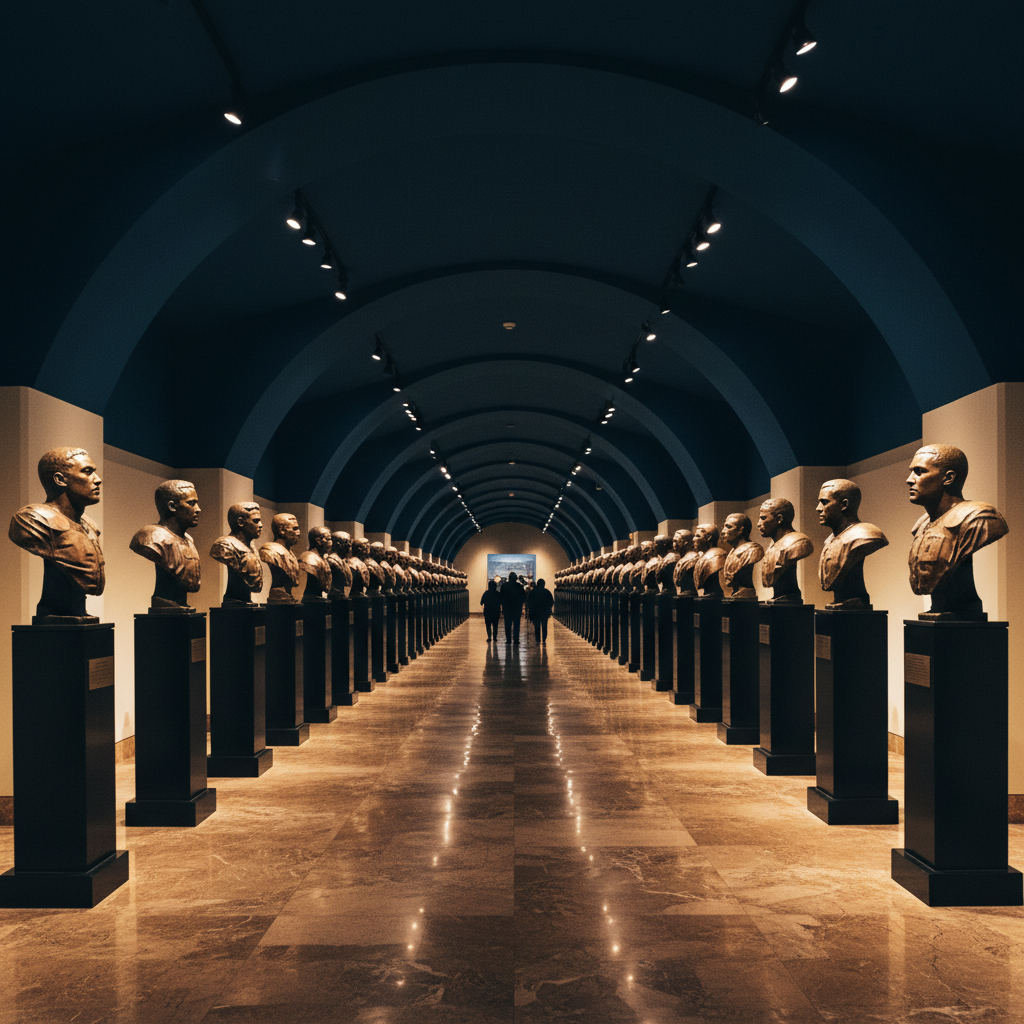 CANTON • FOUNDED 1920
The Pro Football Hall of Fame sits in Canton, Ohio for a reason: the NFL itself was essentially born here. The Ohio League was the direct predecessor to the modern NFL, and the league was formally organized in Canton in 1920. Professional football existed before Ohio, but Ohio is where it became a league, a business, and eventually an empire.
The Hall of Fame is the shrine. Bronze busts of every inducted player line the halls. The annual enshrinement ceremony draws hundreds of thousands. And Canton — a mid-sized city that might otherwise be overlooked — holds permanent claim to the origin of America's most popular sport.
The Cleveland Browns: The Factory of Sadness
Cleveland • Founded 1946
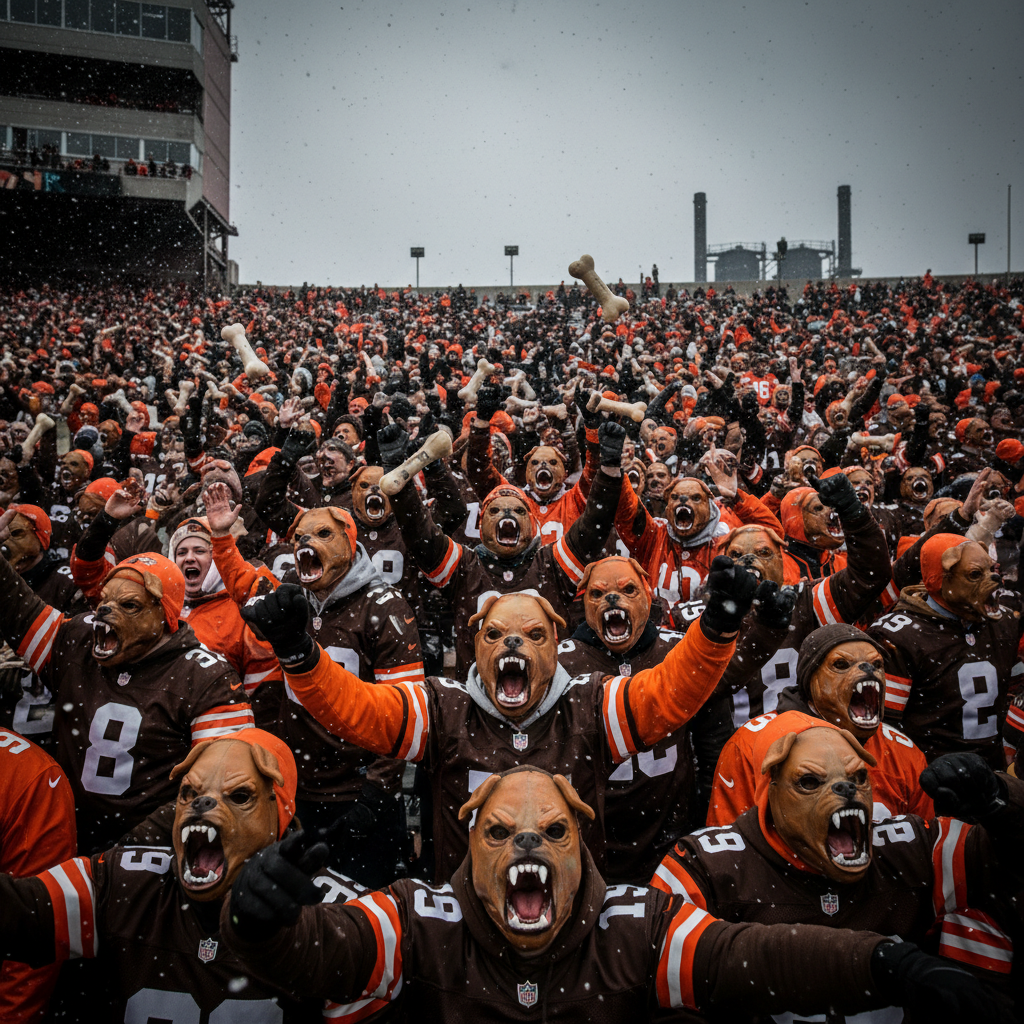 THE DAWG POUND • WOOF
The Cleveland Browns are the ultimate test case for unconditional love. The franchise has not won a championship since 1964. The original team was moved to Baltimore in 1996 by owner Art Modell, an act of betrayal that Cleveland has never forgiven and never will. The expansion team that returned in 1999 has been, charitably, a work in progress.
The 2017 season (0-16) is a scar that paradoxically made the fanbase stronger. Browns fans don't root for their team despite the suffering — they root for their team because of the suffering. The Dawg Pound — the bleacher section at the stadium — is one of the most intimidating environments in the NFL. Fans wear dog masks, throw bones, and bark at opposing players. The "Factory of Sadness" is a real nickname, used lovingly by the people it describes.
The Browns have no logo on their helmet. It is just a plain orange helmet. They are the only team in the NFL with this distinction. Somehow, this makes it more powerful. The absence of a logo became the logo. Only in Ohio.
The Cincinnati Bengals: Who Dey
Cincinnati • Founded 1968
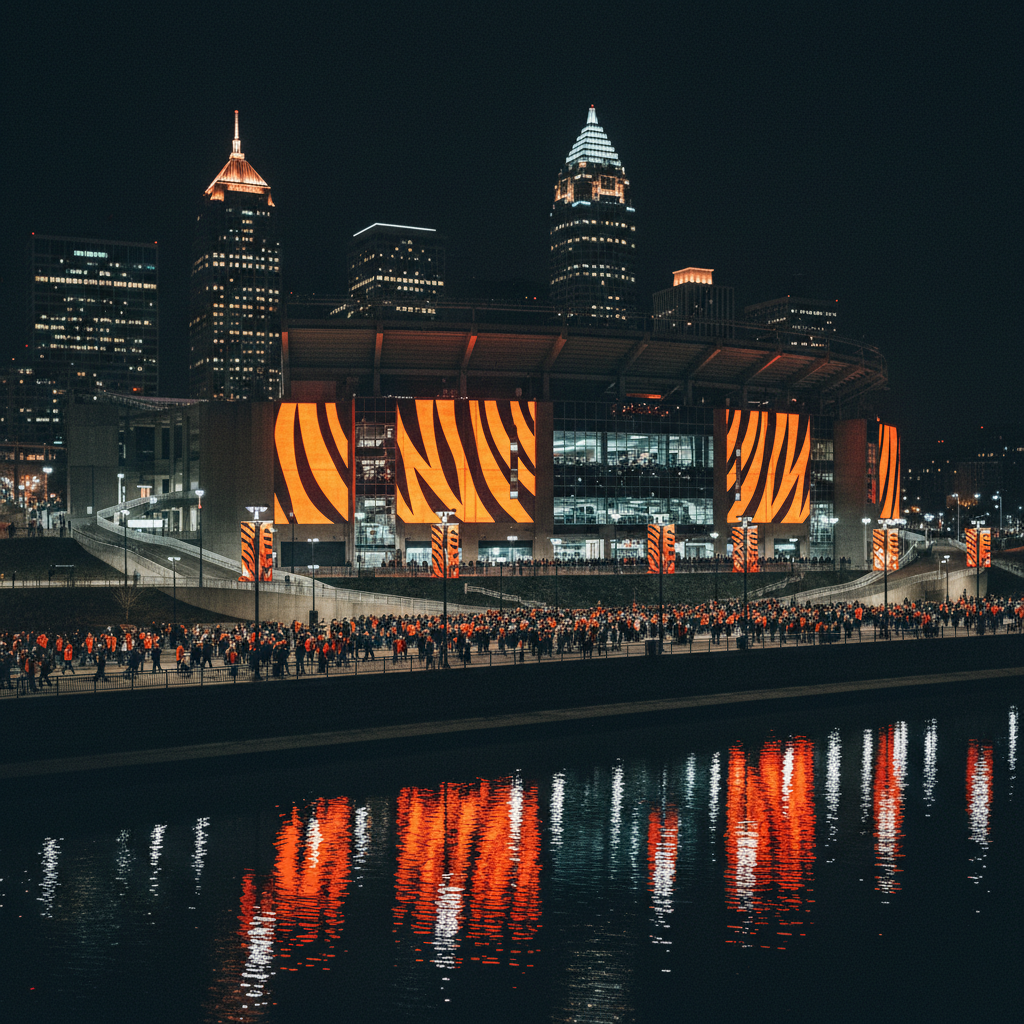 WHO DEY • PAYCOR STADIUM
The Bengals' story is one of long drought and sudden electricity. Founded in 1968, the franchise spent decades in the wilderness before Joe Burrow and Ja'Marr Chase arrived and reignited the city. The 2022 Super Bowl appearance electrified Cincinnati in a way the city hadn't experienced in a generation.
"Who Dey" is the battle cry — as in "Who dey think gonna beat dem Bengals?" It is shouted at games, painted on buildings, tattooed on forearms, and understood by every person in southwestern Ohio. The north-south divide between Browns territory and Bengals territory runs roughly along a line through Columbus, and crossing it is like crossing a border.
Baseball: Where It's Always Been
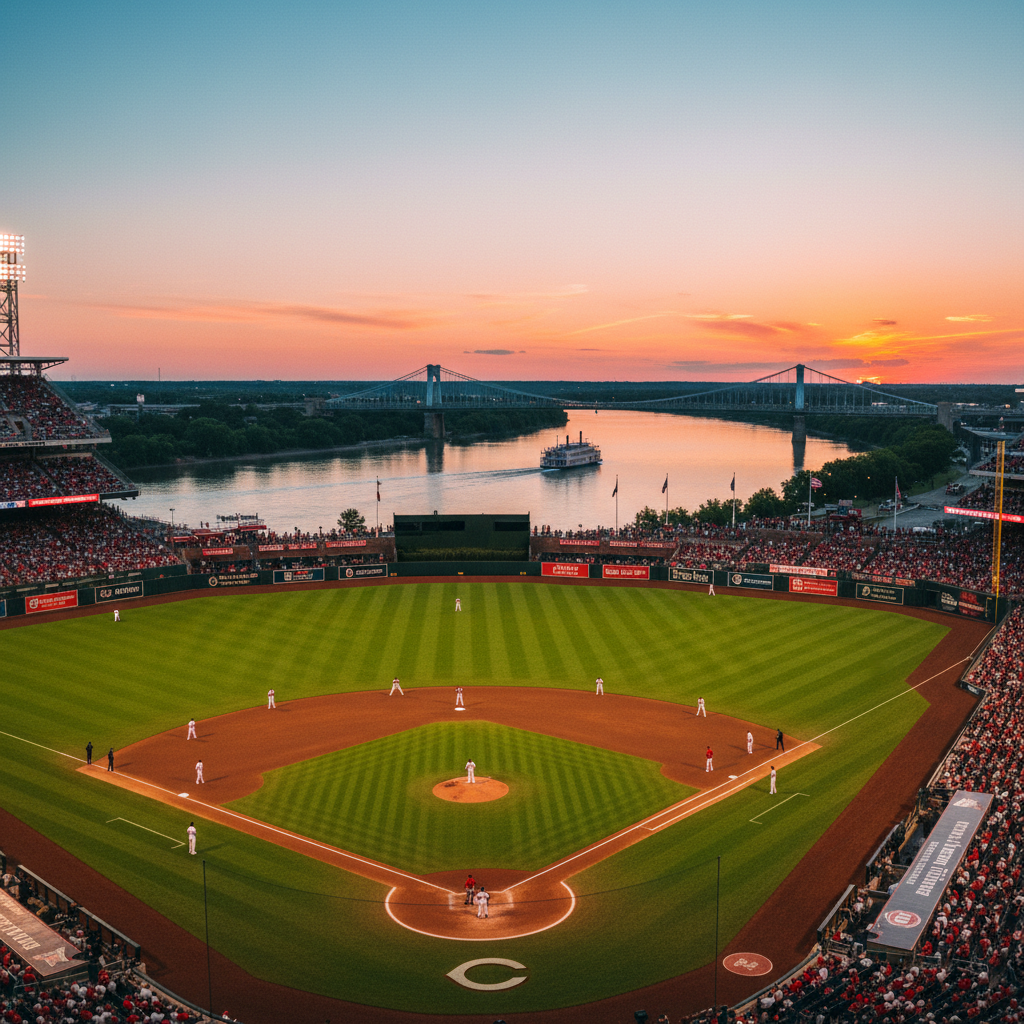 GREAT AMERICAN BALL PARK • EST. 1881
The Cincinnati Reds are America's oldest continuously operating professional baseball team, established in 1881. Five World Series titles. The Big Red Machine of the 1970s — Pete Rose, Johnny Bench, Joe Morgan — is one of the greatest dynasties in baseball history. Great American Ball Park sits on the Ohio River, and a sunset game there is one of the most beautiful experiences in American sports.
The Cleveland Guardians (formerly the Indians, rebranded in 2021) have their own storied history: two World Series titles, the heartbreak of the 2016 Game 7 loss to the Cubs, and a devoted fanbase at Progressive Field. Cleveland's baseball culture is woven into the city's identity — the opening scene of Major League captured something real about how Clevelanders relate to their team.
The Rest of Ohio's Sports Empire
- Cleveland Cavaliers (NBA): The 2016 championship ended a 52-year championship drought for Cleveland. LeBron's "Cleveland, this is for you" is one of the most iconic moments in Ohio sports history. LeBron James, born in Akron, is Ohio's greatest living athlete.
- Columbus Blue Jackets (NHL): Expansion franchise since 2000, building a passionate fanbase at Nationwide Arena in Columbus's Arena District.
- Columbus Crew (MLS): A founding MLS franchise (1996) and three-time MLS Cup winners. The Crew nearly moved to Austin before a massive fan campaign — #SaveTheCrew — kept them in Columbus.
- FC Cincinnati (MLS): Joined MLS in 2019 and rapidly built one of the most passionate fanbases in the league, filling TQL Stadium with 26,000 fans.
- Columbus Fury (PVF): A founding member of the Professional Volleyball Federation in 2024.
Fan Culture: A Field Guide
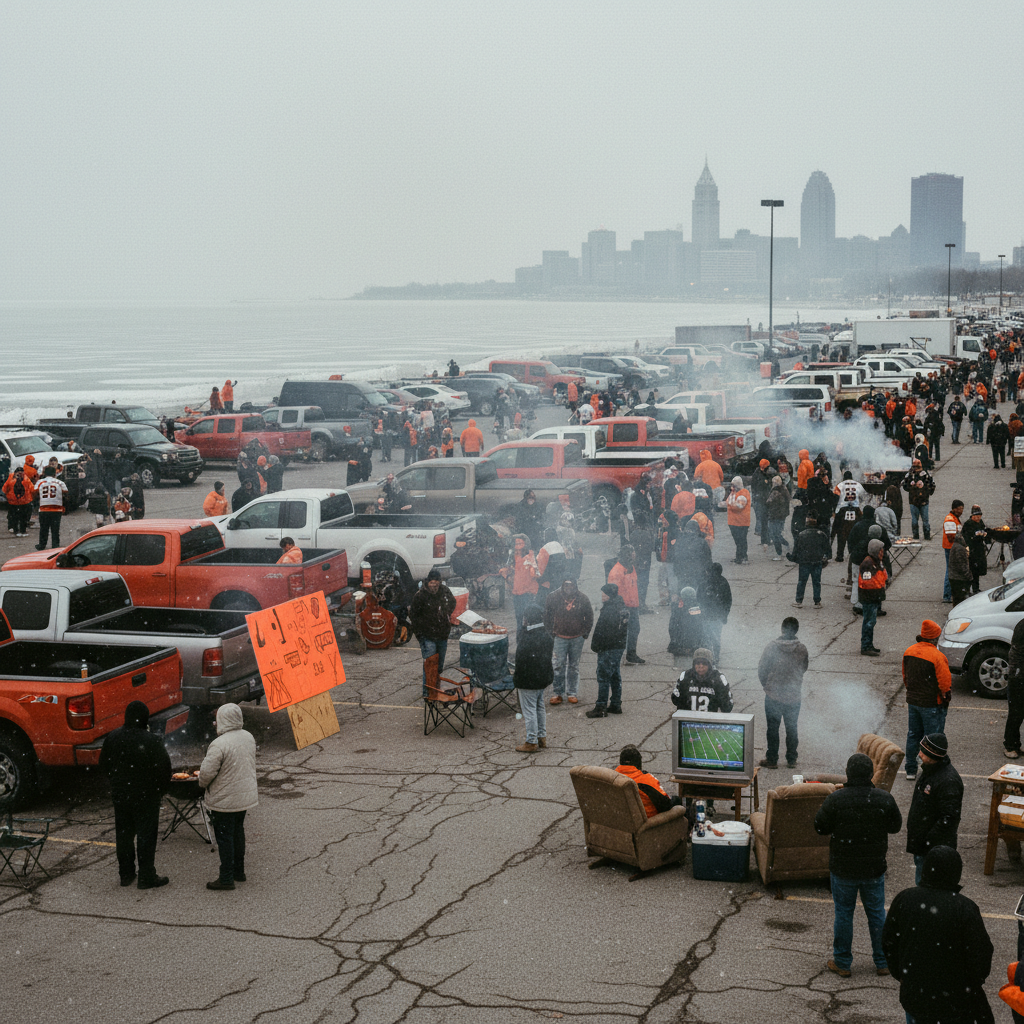 MUNI LOT • SUNDAY MORNING
Ohio sports fandom is characterized by unwavering loyalty, especially through suffering. The worse the team, the louder the fans. Tailgating is an art form — the Muni Lot in Cleveland before a Browns game is one of the great American pregame experiences, featuring grills, generators, entire living rooms set up in parking spaces, and a collective energy that borders on controlled chaos.
The north-south divide is real and deeply felt. Cleveland claims the Browns, Guardians, and Cavaliers. Cincinnati claims the Bengals, Reds, and FC Cincinnati. Columbus, sitting in the middle, gets the Buckeyes, the Crew, and the Blue Jackets. Dayton, Toledo, and Akron pick sides based on geography, family loyalty, and which way the wind was blowing when they were born.
And through all of it — the championships and the droughts, the heartbreaks and the miracles — Ohio fans show up. They always show up.
"If you yell 'O-H!' in any public space in Ohio, someone will yell 'I-O!' back. This is not optional. It is a reflex."