The Circleville Pumpkin Show
Circleville, Pickaway County • Founded 1903
 CIRCLEVILLE • SINCE 1903
The Circleville Pumpkin Show is one of the largest pumpkin festivals in the country, and it has been running since 1903 — making it older than the FBI, the income tax, and most of the buildings in downtown Columbus.
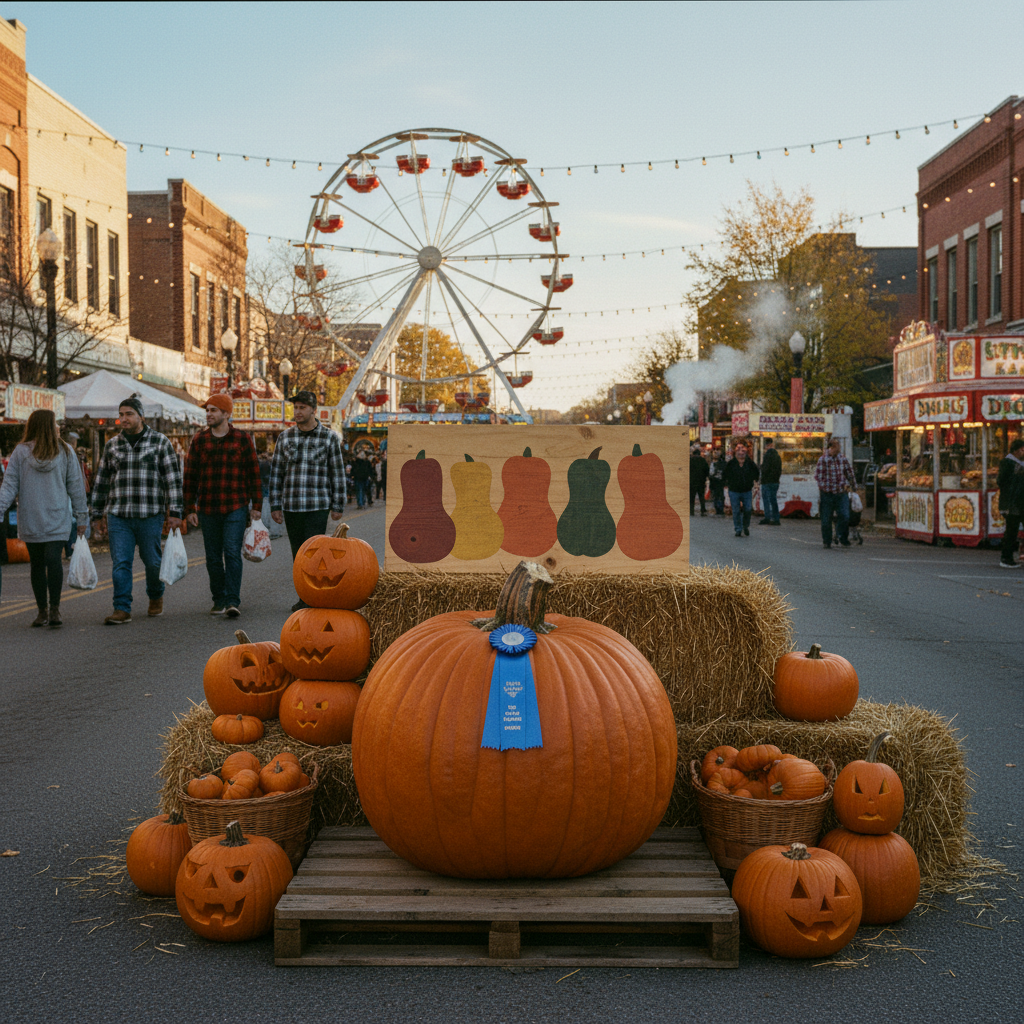
For one week every October, the town of Circleville (population ~14,000) is consumed by pumpkin. Not just pumpkin pie — though there is pie, enormous quantities of pie — but pumpkin chili, pumpkin waffles, pumpkin ice cream, pumpkin burgers, pumpkin fudge, pumpkin donuts, and anything else that can be pumpkin-ified. The festival features a giant pumpkin contest (winners regularly exceed 1,500 pounds), a pumpkin queen pageant, parades, carnival rides, and an atmosphere of small-town celebration that has barely changed in a century.
The Pumpkin Show draws an estimated 400,000 visitors over its run — nearly 30 times the town's population. It is peak pumpkin. It is aggressively, unapologetically pumpkin. It is Ohio.
Oktoberfest Zinzinnati
Cincinnati • The largest Oktoberfest in the United States
 ZINZINNATI • PROST!
Cincinnati's German heritage runs deep — the goetta, the architecture, the beer culture — and Oktoberfest Zinzinnati is its annual culmination. Held downtown on Second and Third Streets, it is officially the largest Oktoberfest celebration in the United States, drawing over half a million visitors.
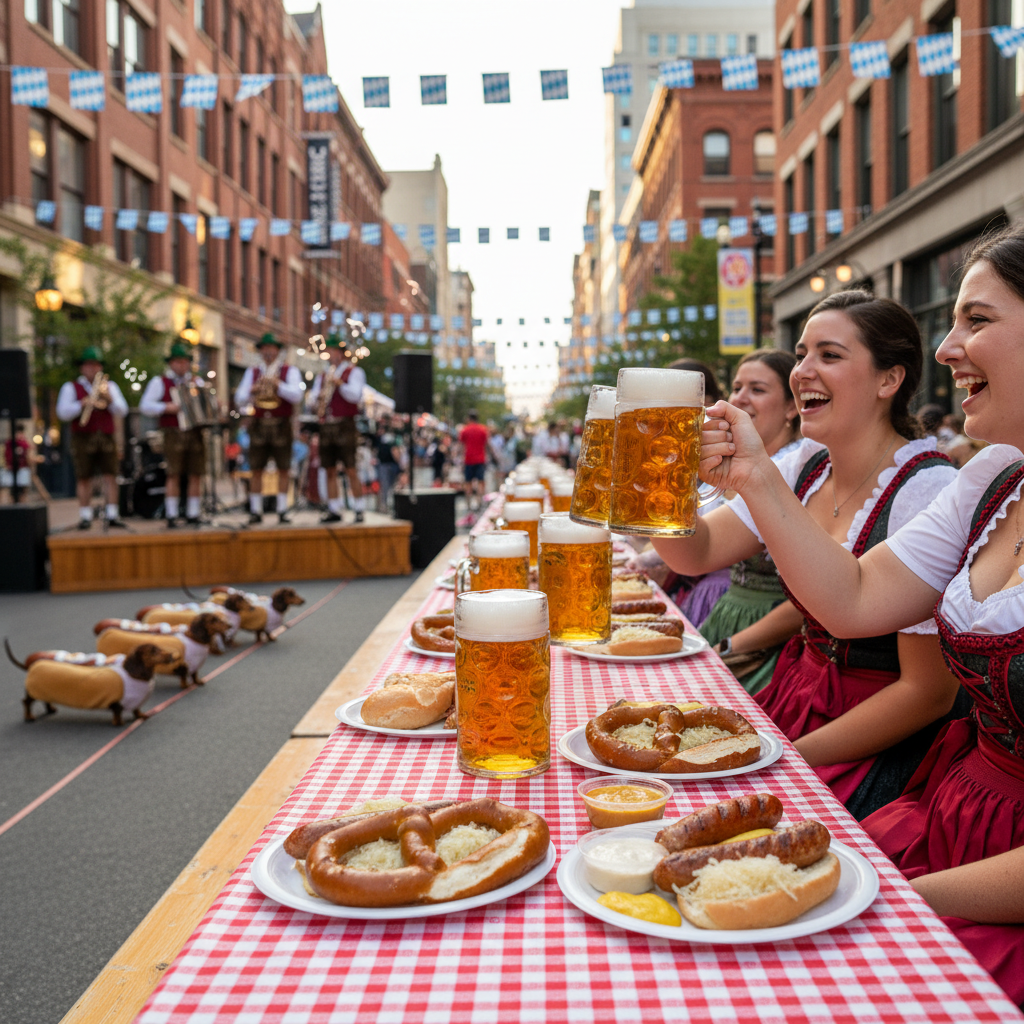
The festival features German food (bratwurst, schnitzel, strudel, pretzels the size of your head), beer from local and German breweries, polka bands, chicken dancing, keg bowling, and the Running of the Wieners — a dachshund race that is exactly as delightful as it sounds. Cincinnati's Over-the-Rhine neighborhood, with its Italianate architecture built by German immigrants, provides the backdrop.
Twins Days
Twinsburg, Ohio
 TWINSBURG • DOUBLE TAKE
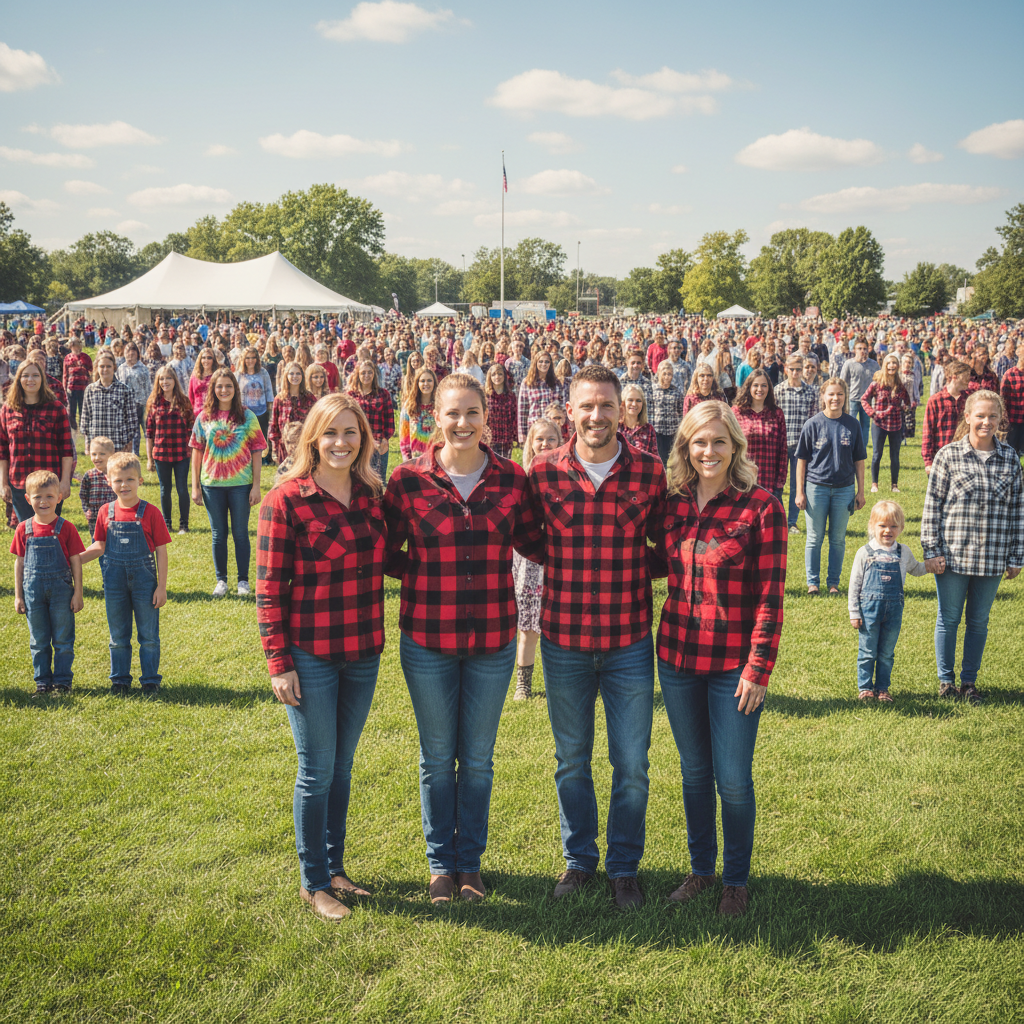
Twins Days in Twinsburg is the world's largest annual gathering of twins and multiples. The festival draws thousands of twins from around the world for a weekend of events, contests, and the genuinely surreal experience of being in a town where everyone has a double.
The location is no accident: Twinsburg was founded and named by twin brothers — Aaron and Moses Wilcox — who donated land for the town on the condition it be named after them. The festival began in 1976 and has grown into an internationally recognized event that researchers use for scientific studies on genetics, behavior, and identity.
Events include look-alike contests, talent shows, a "Double Take" parade, and research opportunities where twins can volunteer for studies. It is, by far, the most on-the-nose festival in a state that loves on-the-nose festivals.
The Gloriously Weird
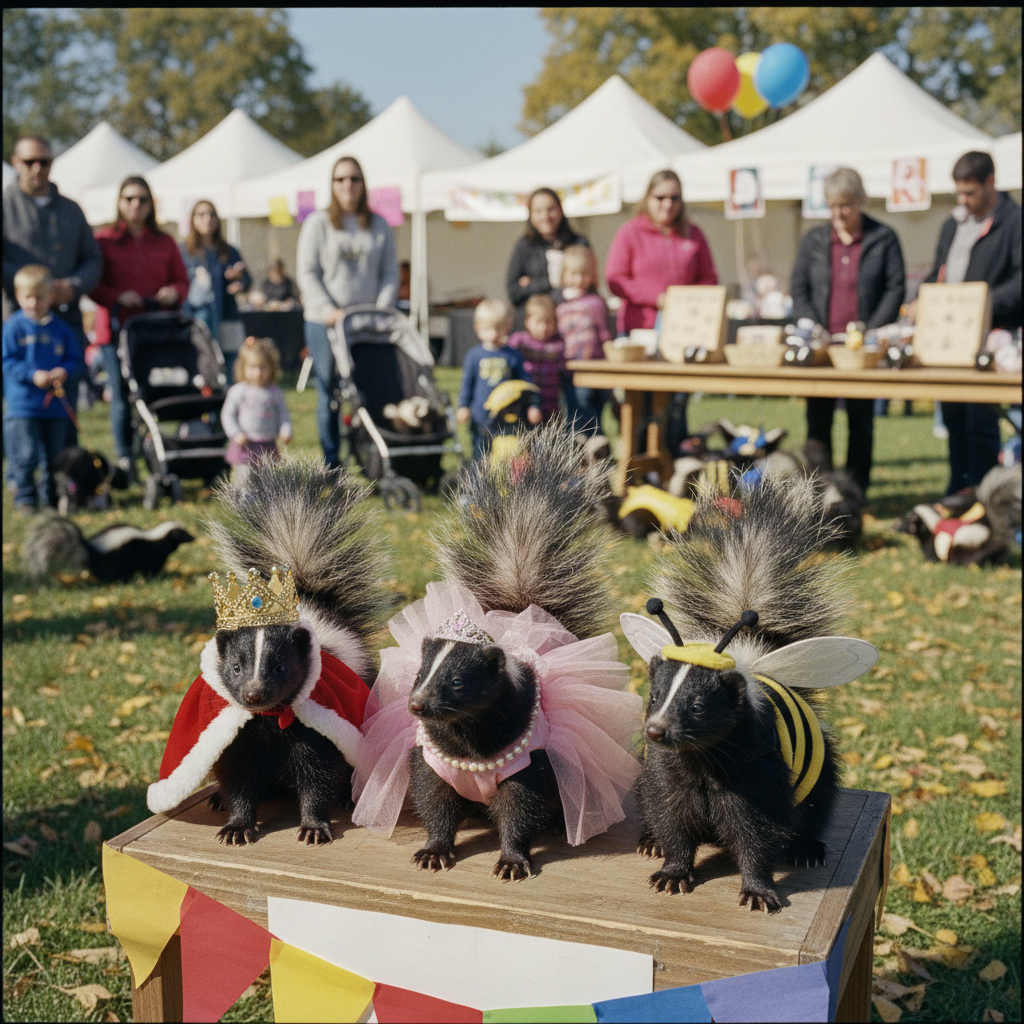 SKUNK FEST • CROWN A KING & QUEEN
Skunk Fest
North Ridgeville
A literal festival for pet skunks. Games, raffles, costume contests, and the crowning of a skunk king and queen. Yes, the skunks are de-scented. Yes, they wear costumes. Yes, this is a real thing.
Moonshine Festival
New Straitsville
Celebrating the area's bootlegging history. New Straitsville was one of Ohio's most notorious moonshine towns during Prohibition, and the festival honors that heritage with music, food, and stories. The town of Knockemstiff got its name from the same era's moonshine.
Ashville Viking Festival
Ashville
Medieval combat, jousting, axe throwing, feasts, a Saxon market. Free admission. Why does Ashville, Ohio have a Viking festival? Because Ohio doesn't need a reason.
The Cuyahoga River Fire Celebration
Cleveland
Cleveland commemorates the 1969 Cuyahoga River fire — yes, the river literally caught fire — as a turning point in environmental history. The fire led directly to the Clean Water Act and the creation of the EPA. Cleveland turned its most embarrassing moment into its greatest environmental legacy, and now it throws a party about it every year.
Pawpaw Festival
Albany
Celebrates Ohio's native state fruit, the pawpaw — a tropical-tasting fruit that grows wild in Ohio's forests. Pawpaw ice cream, pawpaw beer, pawpaw cooking contests, and more people than you'd expect who are passionate about an obscure fruit.
Backwoods Fest
Thornville
A celebration of rural Appalachian Ohio culture with music, food, and crafts. Southern and eastern Ohio sit in the Appalachian foothills, and this festival honors the traditions, storytelling, and community of Ohio's most overlooked region.
Other festivals that demand mention: Cleveland Pierogi Week (annual since 2022), multiple Sweet Corn Festivals with shucking contests and the crowning of King and Queen Corn, Covered Bridge Festivals celebrating Ohio's 125+ historic wooden covered bridges, and more county fairs per capita than you thought possible.
Quirks, Slang & Buckeye-isms
The personality traits and habits that make Ohio distinctly Ohio
The Language
- "Pop" — It's not soda. It's not cola. It's pop. This is non-negotiable.
- "Ope" — The involuntary Midwestern exclamation when you bump into someone or need to squeeze past. As in "Ope, let me sneak right past ya."
- "O-H! I-O!" — The Ohio State call-and-response. Used everywhere, not just at games.
- Distance is measured in time: "Cleveland to Columbus? About two hours." Nobody uses miles.
- Town pronunciations: Outsiders beware. Bellefontaine is "Bell-FOUN-tin." Versailles is "ver-SALES." Lima is "LIE-muh." Russia is "ROO-shee." Houston is "HOUSE-ton."
The Weather
"If you don't like the weather in Ohio, just wait five minutes" — the state's most repeated saying, and also genuinely true. Ohio has two seasons: winter and construction. Experiencing sunshine, rain, snow, and hail in a single 24-hour period is considered normal. Ohioans dress in layers year-round and always carry both an umbrella and sunglasses, because they know their state is cosmically indecisive about weather.
The Behaviors
- Holding the door for someone even when they're uncomfortably far away, forcing them into an awkward half-jog
- Waving at everyone from your car, especially on rural roads, especially at people you don't know
- Insisting Ohio has no accent (it does — flattened vowels, drawn-out greetings, the "ope")
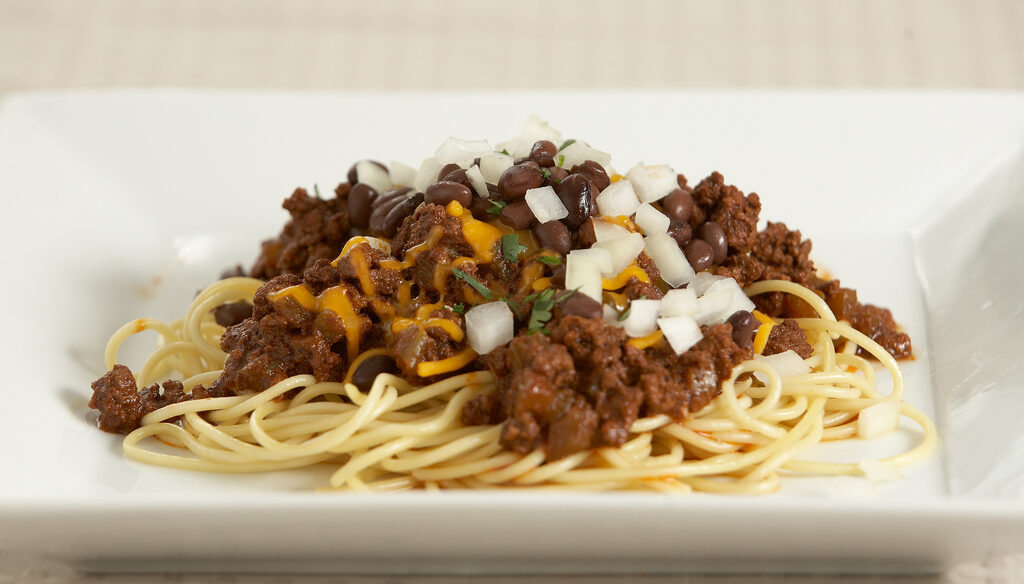
- Having strong opinions about Cincinnati chili that transcend reason
- Calling buckeyes — a mildly toxic, inedible nut — the state symbol with zero irony, then making candy that looks like it
- Navigating roundabouts with either extreme confidence or extreme confusion, with no middle ground
Sweetest Day
Created in 1921 by a committee of Cleveland candy makers, Sweetest Day is observed on the third Saturday in October. It's basically a second Valentine's Day. Most of the country ignores it entirely. Ohio keeps it alive through sheer force of will and candy purchases.
Holiday Traditions
December in Ohio means one thing: Buckeye candy production. Every Ohio kitchen transforms into a factory assembly line. Parents roll the peanut butter balls. Children dip them in chocolate. Grandparents supervise and judge the peanut butter-to-chocolate ratio with the gravity of constitutional scholars. The recipe is passed down through generations, and every family believes theirs is the correct one.
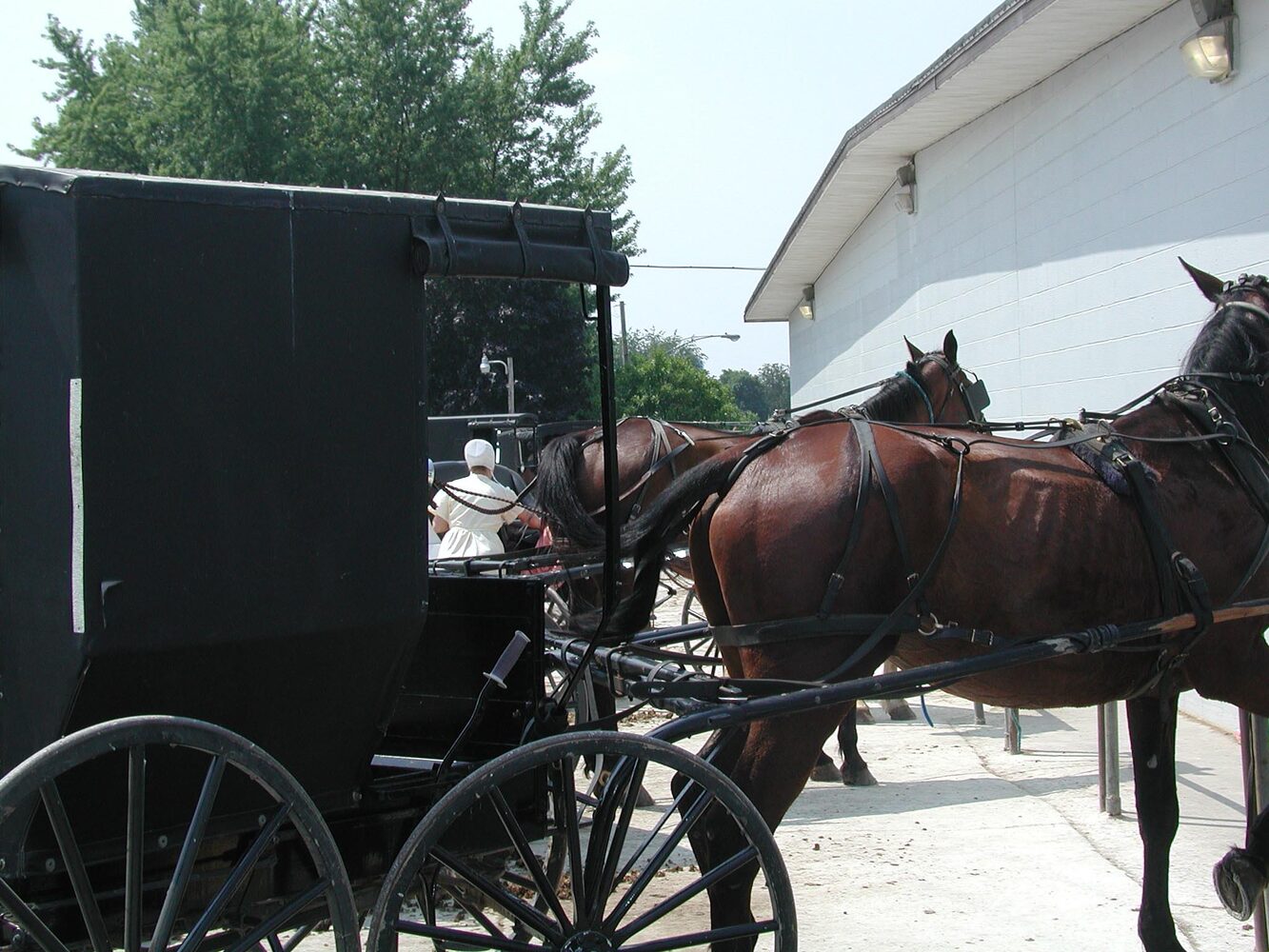
Beyond the buckeyes: holiday parades and light displays fill every small town. Amish Country fall festivals run from September through November with pumpkin chucking, apple picking, hayrides, and corn mazes. The Ohio State Fair — one of the largest in the country — is a summer anchor, where Schmidt's Sausage Haus cream puffs are a required purchase and agricultural heritage meets deep-fried everything.
"Ohio's festival calendar is packed and weird in the best possible way. The state that says 'ope' when it bumps into you also crowns a skunk king and queen."